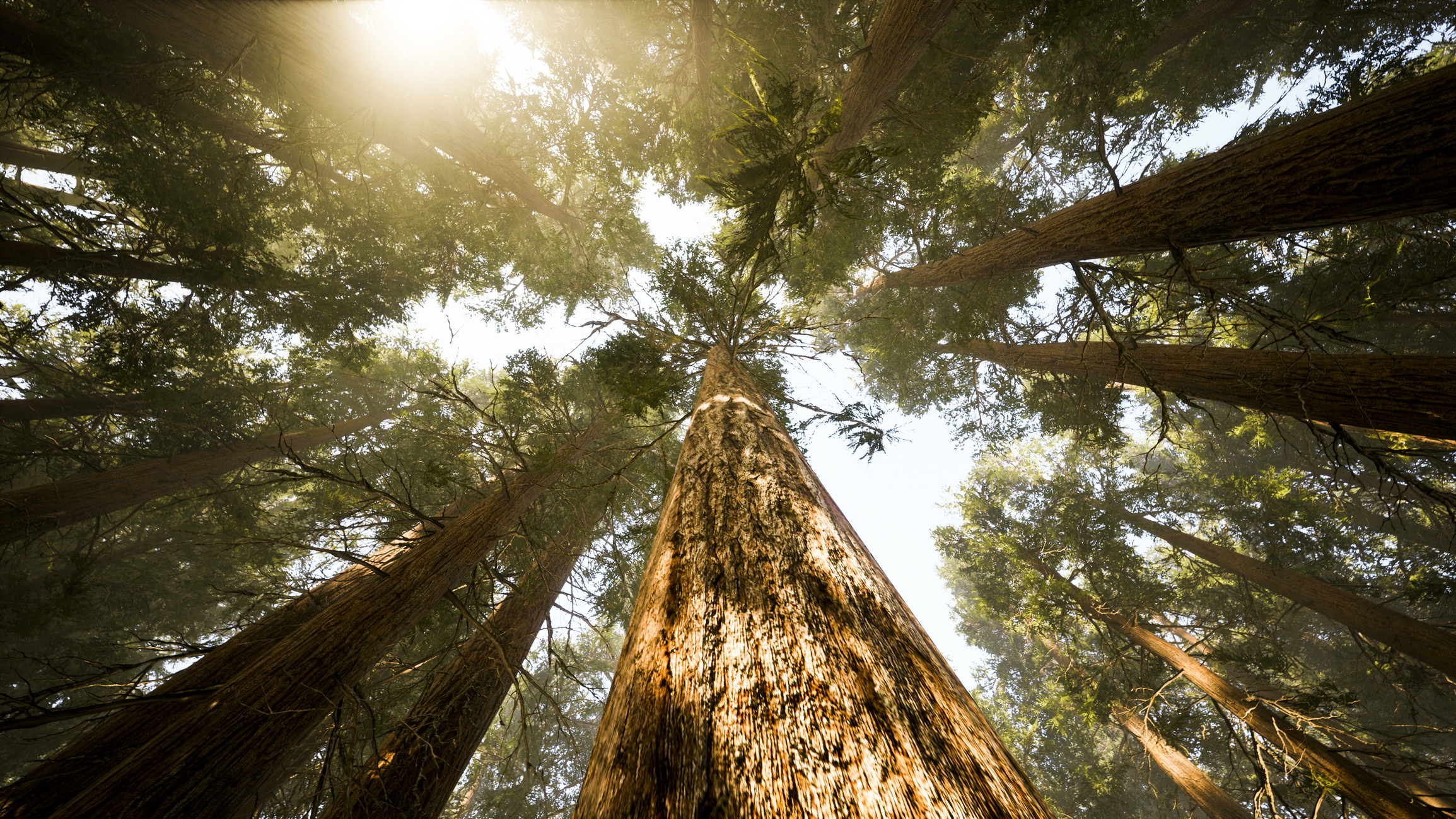
Color, texture and sheen can be changed later, but the species stays with your floor for good. Find the wood that fits your home, then compare them side by side.
The Designer’s Favorite
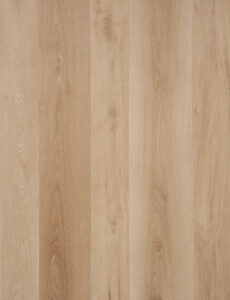
Warm tan to light brown with neutral undertones. Grain is moderately visible and can be cut to show flowing arches or straight lines. It takes stain evenly, which is why it suits such a wide range of colors.
- Grain
- Medium; Plainsawn or Rift & Quartersawn
- Variation Variation is how much color and grain change from board to board.
- Moderate
- Hardness Hardness is how well the wood resists dents.
Characteristics
- Undertone: neutral, leaning warm
- Grain: moderately visible; the cutting method changes the pattern
- Takes stain evenly, light to dark
How It Ages & Performs
- Ages to a slightly deeper, warmer tone over time
- Among the more stable domestic hardwoods as humidity changes
- Available in solid and engineered
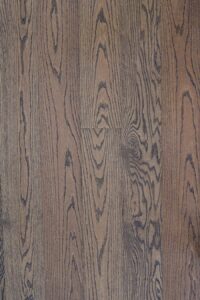
The Enduring Classic
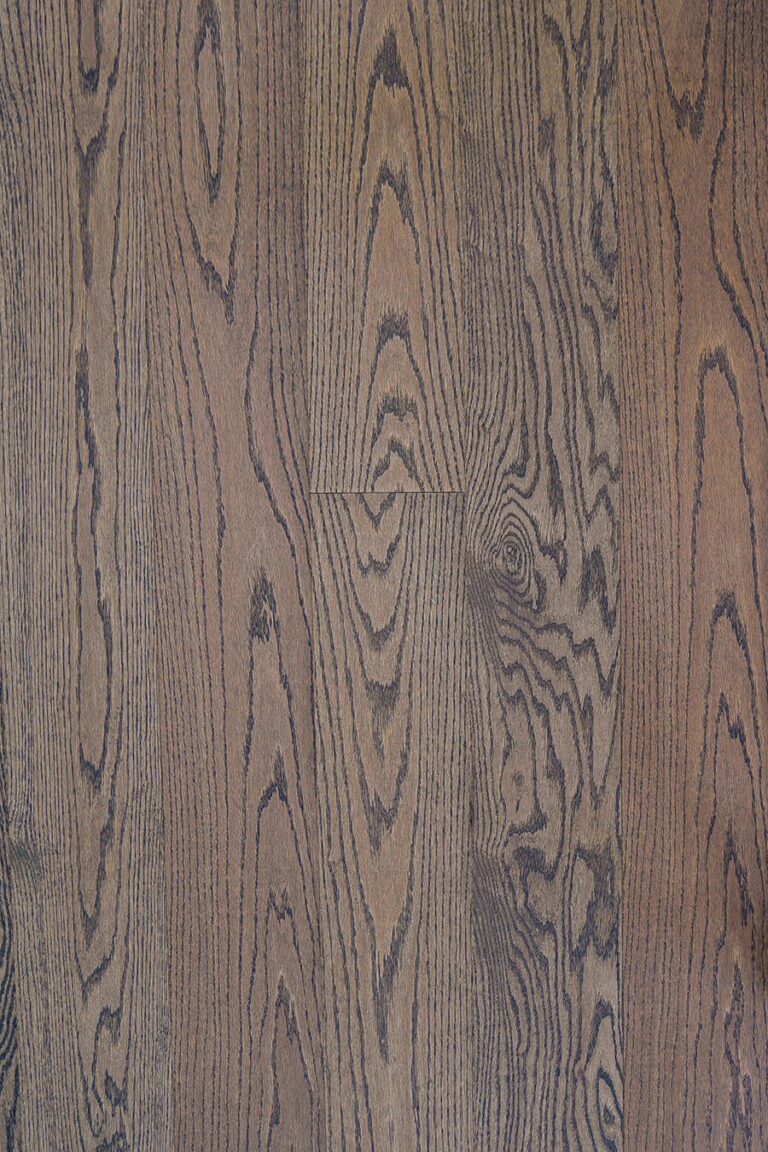
Similar to white oak but with a warmer, pinkish-red undertone and more open grain. Often chosen to match existing red oak floors and trim.
- Grain
- Pronounced grain pattern
- Variation Variation is how much color and grain change from board to board.
- Moderate
- Hardness Hardness is how well the wood resists dents.
Characteristics
- Undertone: warm, pinkish-red
- Grain: open and pronounced
- Matches existing red oak floors and trim
How It Ages & Performs
- Ambers slightly with age
- Less moisture-resistant than white oak
- Available in solid and engineered
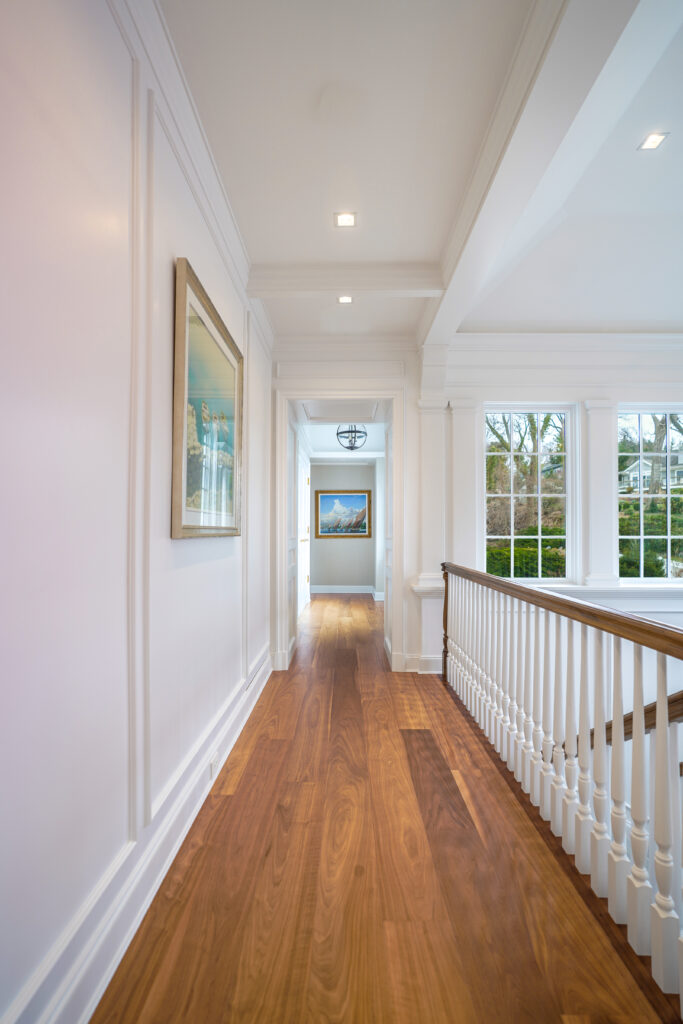
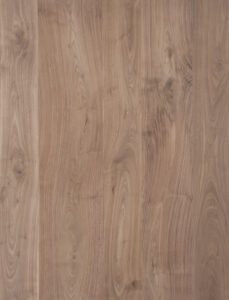
Natural Sophistication
Dark, chocolate-brown heartwood with natural color variation and flowing grain. Its color comes from the wood itself, so it’s often left unstained. Walnut is softer than oak, so it shows dents more readily.
- Grain
- Flowing
- Variation Variation is how much color and grain change from board to board.
- Low–Moderate
- Hardness Hardness is how well the wood resists dents.
Characteristics
- Undertone: warm brown, sometimes with purple hints
- Grain: flowing, with natural movement
- Natural color, often left unstained
How It Ages & Performs
- Lightens gradually toward a warmer, golden brown
- Softer than oak; more prone to dents
- Available in solid and engineered [confirm]

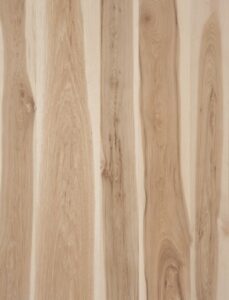
Character Without Compromise
One of the hardest domestic hardwoods, with strong contrast between light and dark boards and pronounced grain. That variation is part of its look, so no two boards match.
- Grain
- Dramatic grain movement
- Variation Variation is how much color and grain change from board to board.
- High
- Hardness Hardness is how well the wood resists dents.
Characteristics
- Undertone: warm, with light and dark boards side by side
- Grain: pronounced, with bold movement
- High natural color contrast
How It Ages & Performs
- Ambers (warms) slightly with age
- Very hard; resists dents well
- Moves more with humidity than oak, so humidity control matters
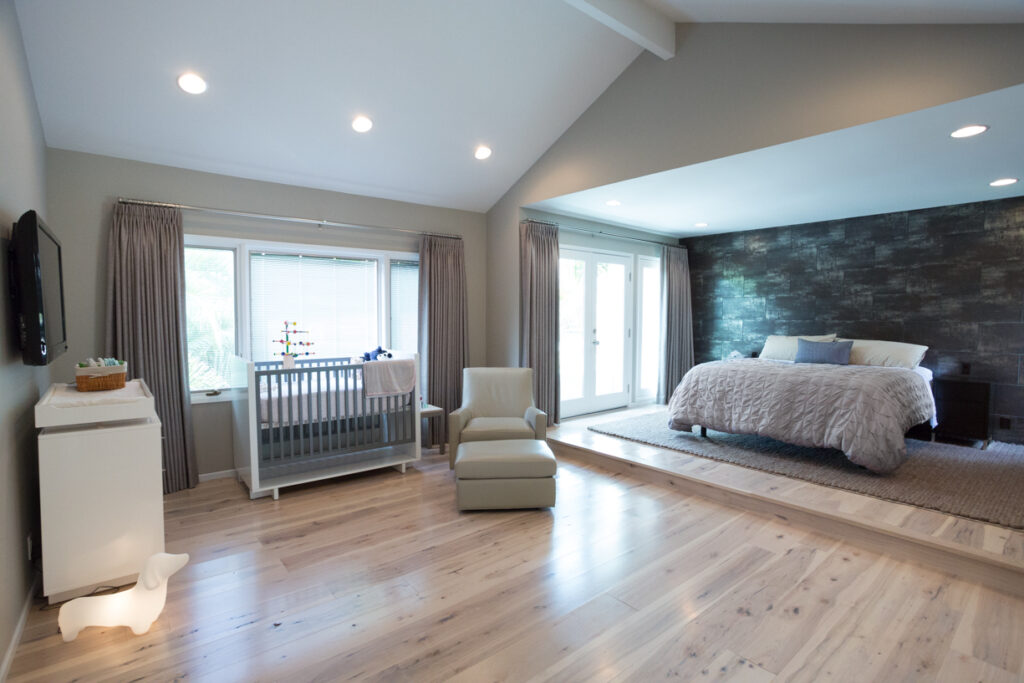
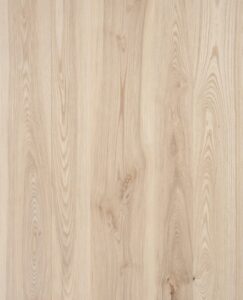
Light, Energetic Character
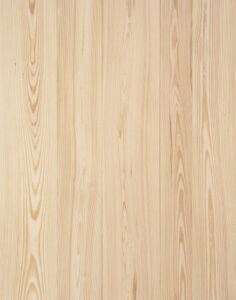
A light, pale wood with pronounced grain similar to oak. Hard and resilient, it takes stain well and shows its grain clearly through lighter finishes.
- Grain
- Bold, moving
- Variation Variation is how much color and grain change from board to board.
- Moderate
- Hardness Hardness is how well the wood resists dents.
Characteristics
- Undertone: light, creamy
- Grain: pronounced and flowing
- Takes stain well
How It Ages & Performs
- Ambers slightly with age
- Hard and resilient
- Available in solid and engineered [confirm]
Quiet Elegance
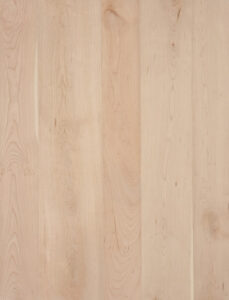
Warm, reddish-brown wood with fine, smooth grain. Cherry is known for its patina: exposure to light deepens its color noticeably, especially in the first months, so each floor becomes richer over time.
- Grain
- Fine grain, smooth texture
- Variation Variation is how much color and grain change from board to board.
- Low
- Hardness Hardness is how well the wood resists dents.
Characteristics
- Undertone: warm reddish
- Grain: fine and smooth
- Develops a rich patina
How It Ages & Performs
- Darkens noticeably with light exposure
- Softer than oak; shows dents more readily
- Rugs and furniture can leave lighter areas as it darkens
Clean and Contemporary
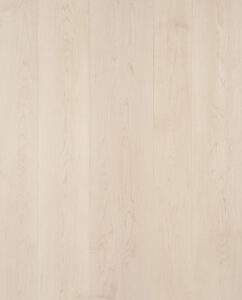
Pale, creamy wood with subtle, even grain and little color variation. Maple is hard and dense, but its tight grain can absorb stain unevenly, so it’s often finished in lighter tones.
- Grain
- Subtle grain pattern
- Variation Variation is how much color and grain change from board to board.
- Low
- Hardness Hardness is how well the wood resists dents.
Characteristics
- Undertone: pale, creamy
- Grain: subtle and even
- Little board-to-board variation
How It Ages & Performs
- Ambers (yellows) gradually with age
- Hard and dense
- Stains less evenly than open-grained woods
The Craftsman’s Favorite
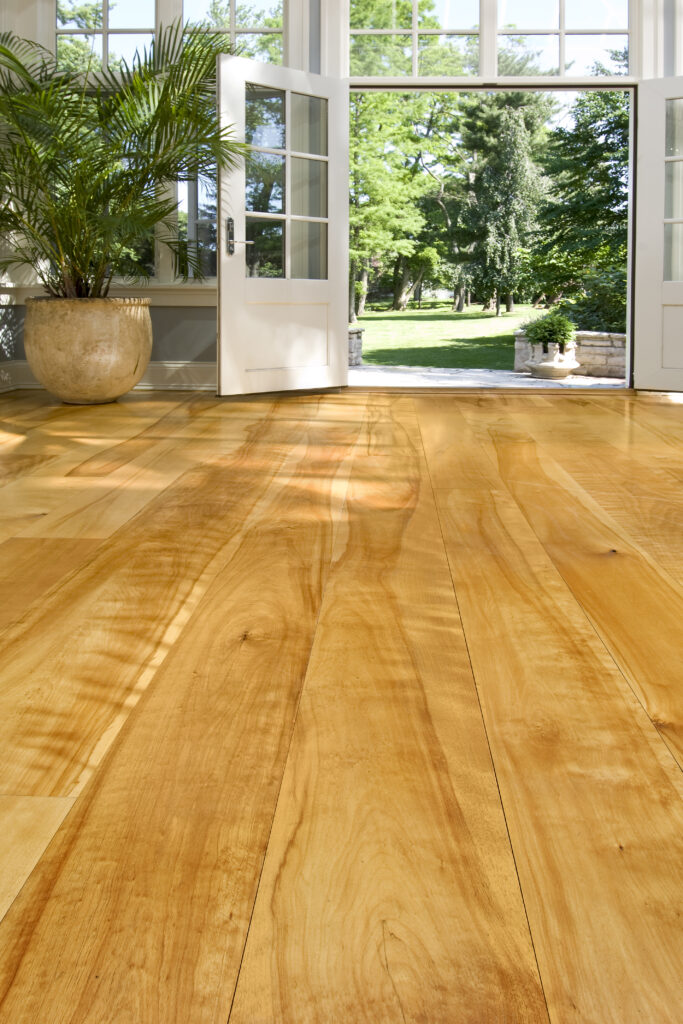
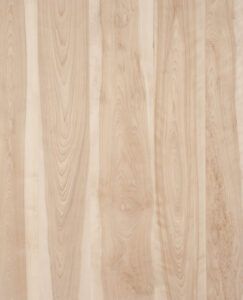
Light, honey-toned wood with fine grain and gentle natural variation between lighter and darker boards.
- Grain
- Fine grain with gentle movement
- Variation Variation is how much color and grain change from board to board.
- Moderate
- Hardness Hardness is how well the wood resists dents.
Characteristics
- Undertone: warm honey
- Grain: fine, with gentle movement
- Natural contrast between boards
How It Ages & Performs
- Ambers gradually with age
- Moderately hard
- Available in solid and engineered
The Original American Wide Plank
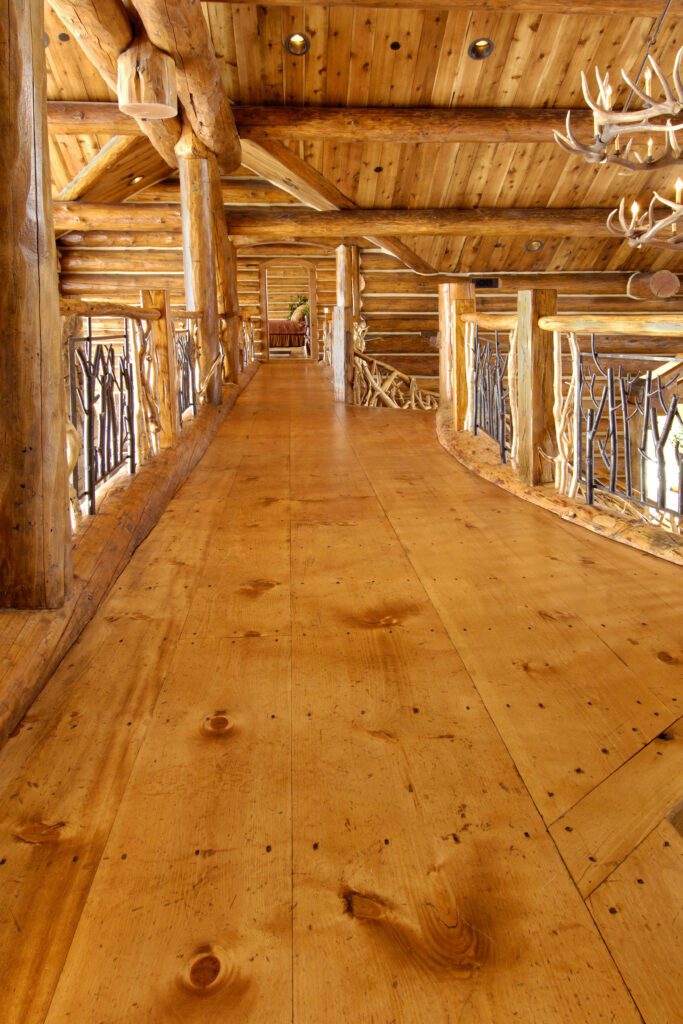
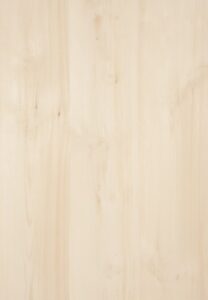
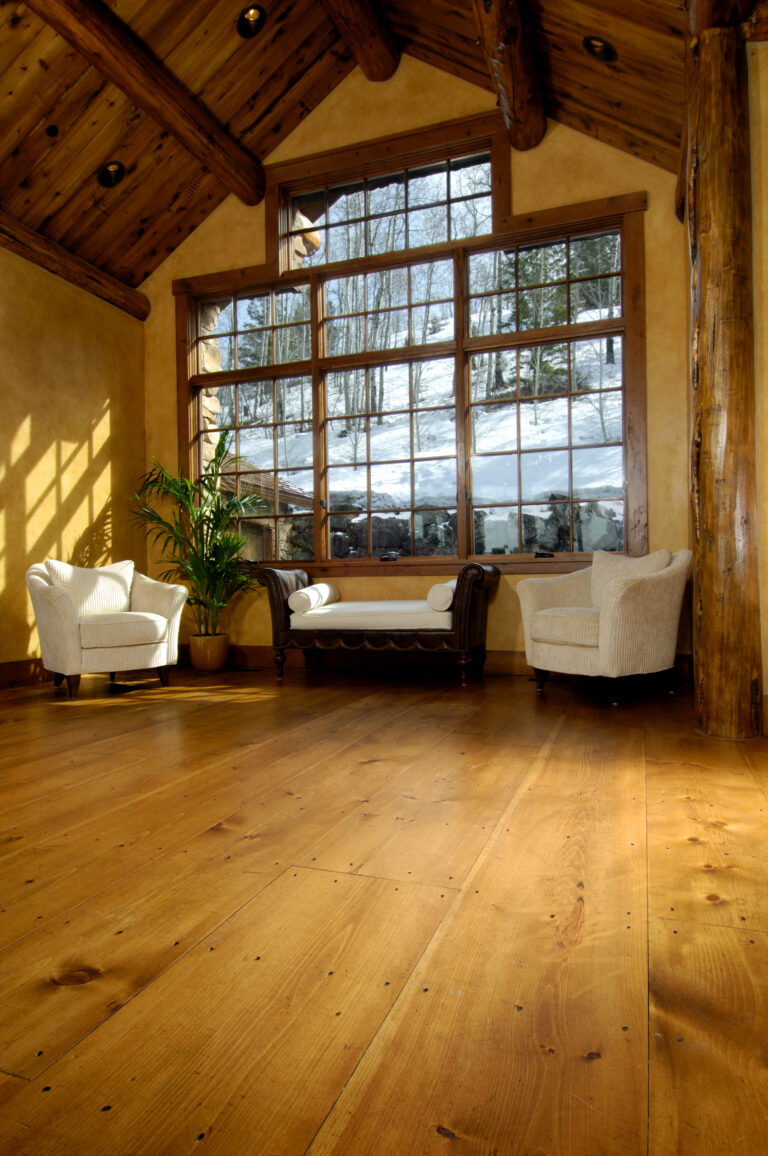
A soft wood with visible knots and a warm, golden tone, the original wide plank floor of early New England homes, where Carlisle began.
- Grain
- Soft, characterful
- Variation Variation is how much color and grain change from board to board.
- High
- Hardness Hardness is how well the wood resists dents.
Characteristics
- Undertone: warm golden
- Grain: soft, with visible knots
- Wide widths available
How It Ages & Performs
- Develops a deep golden patina over time
- Soft; dents and wear marks become part of its character
- Best suited to solid construction
Southern Heritage
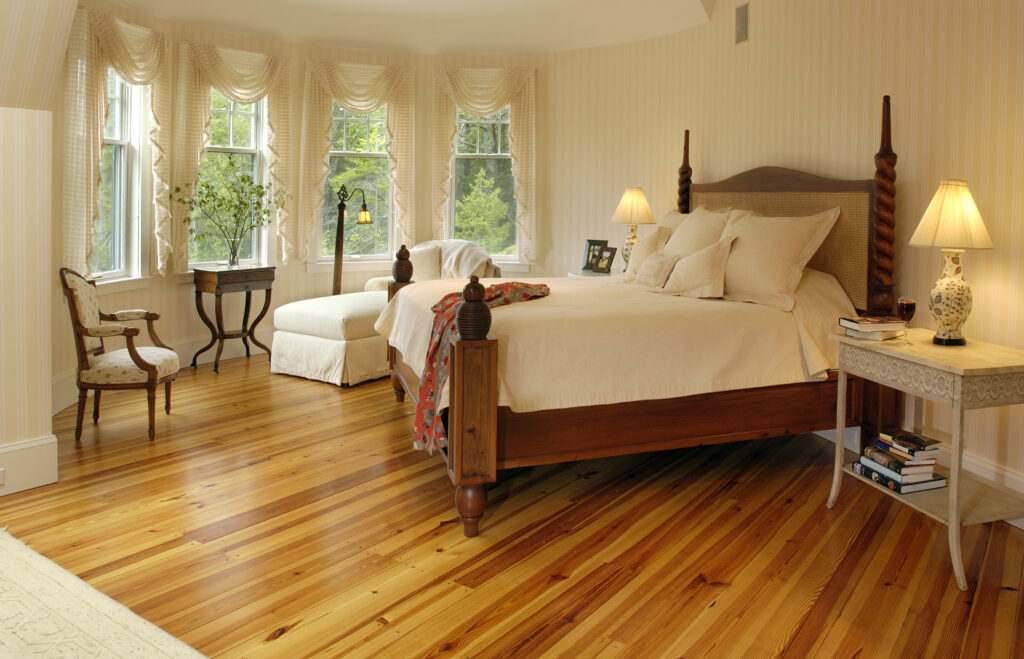
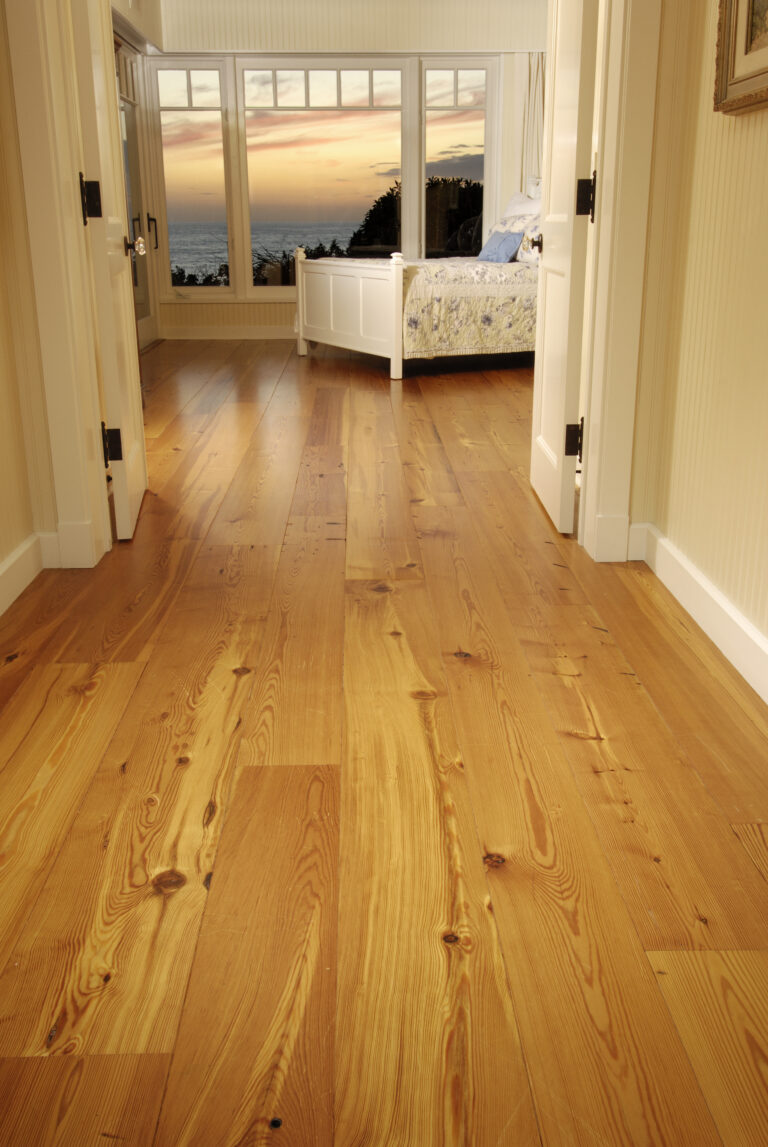
The dense, resin-rich heartwood of pine, with a rich amber-red tone and strong grain. Much harder than other pines.
- Grain
- Strong grain with rich texture
- Variation Variation is how much color and grain change from board to board.
- High
- Hardness Hardness is how well the wood resists dents.
The type of wood your floor is made from. Select one to see it up close.



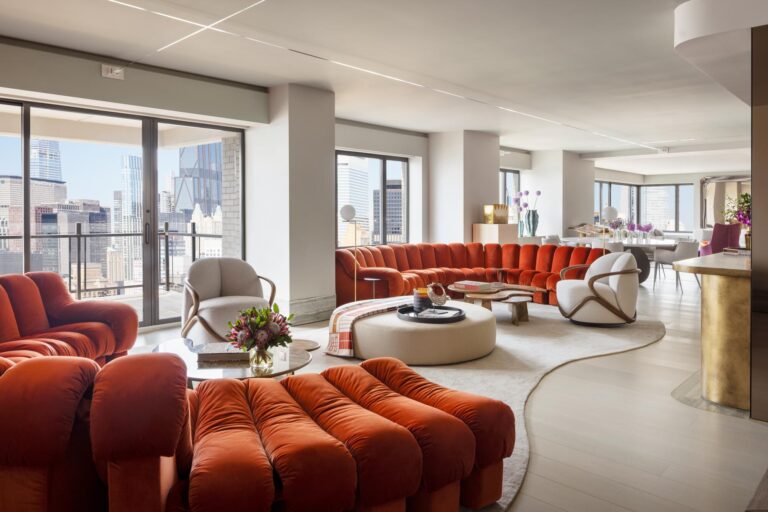
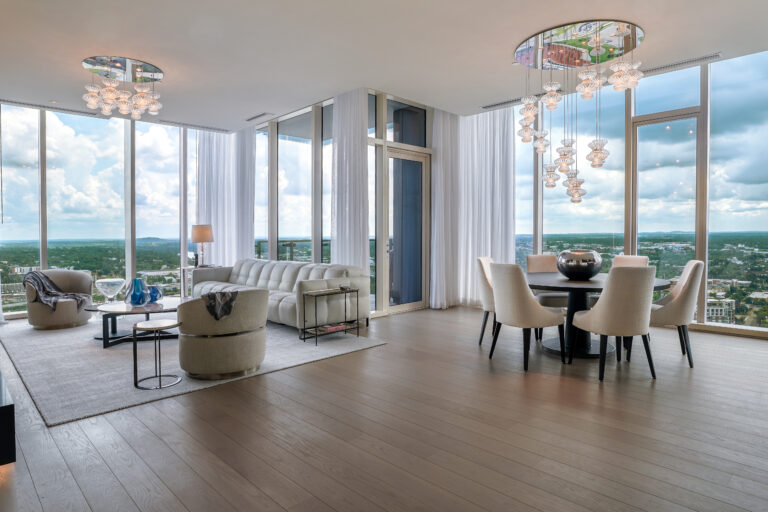
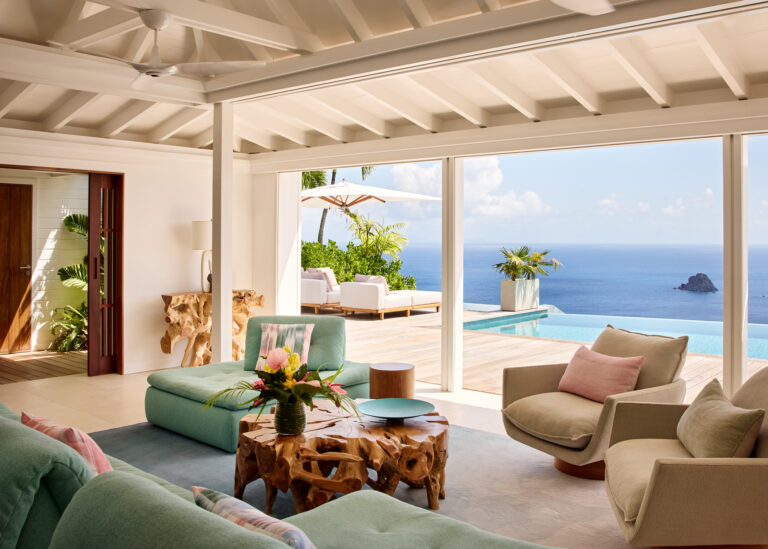
We don’t have a finished Red Oak home to show yet. Request a sample, or talk to a consultant about projects in similar woods.
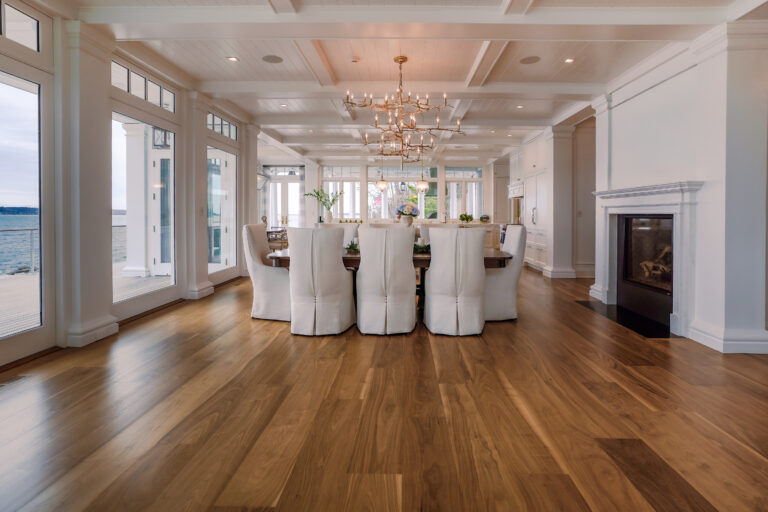

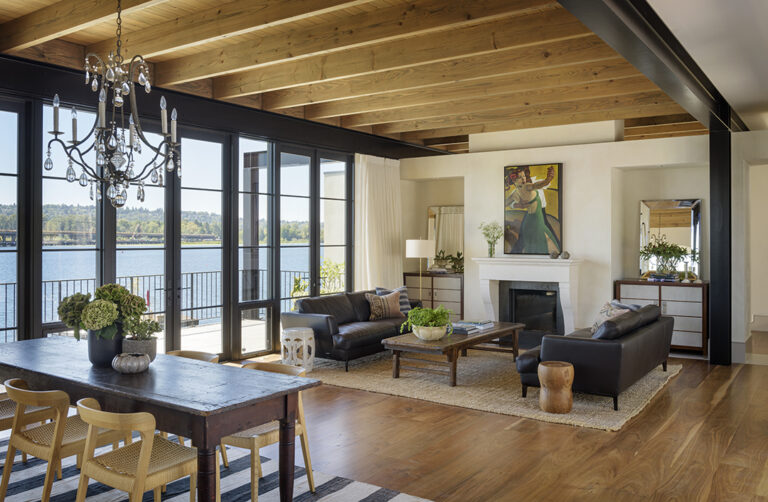
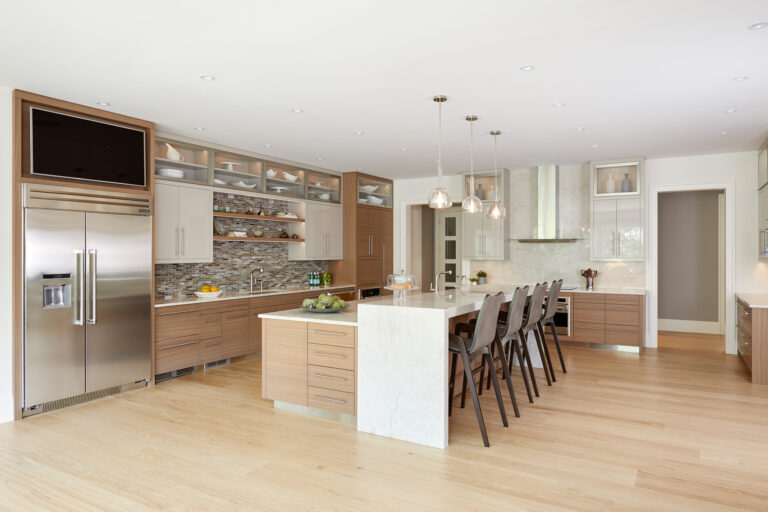
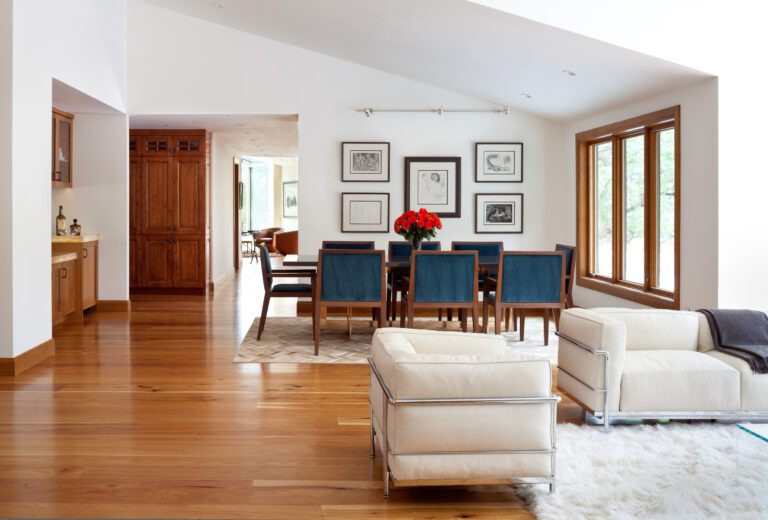
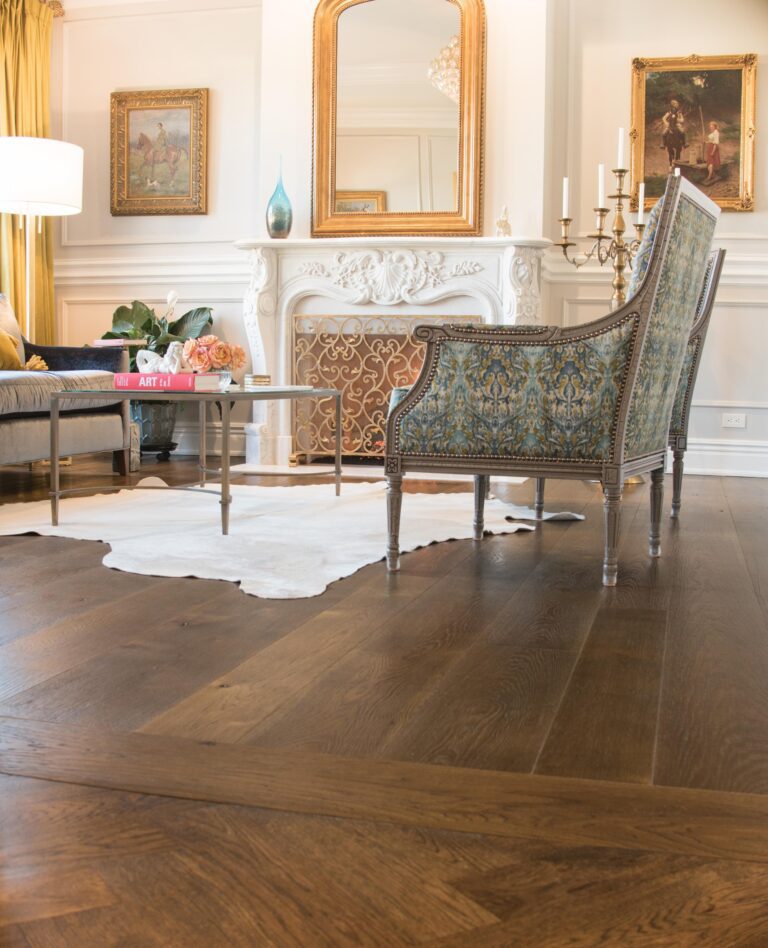
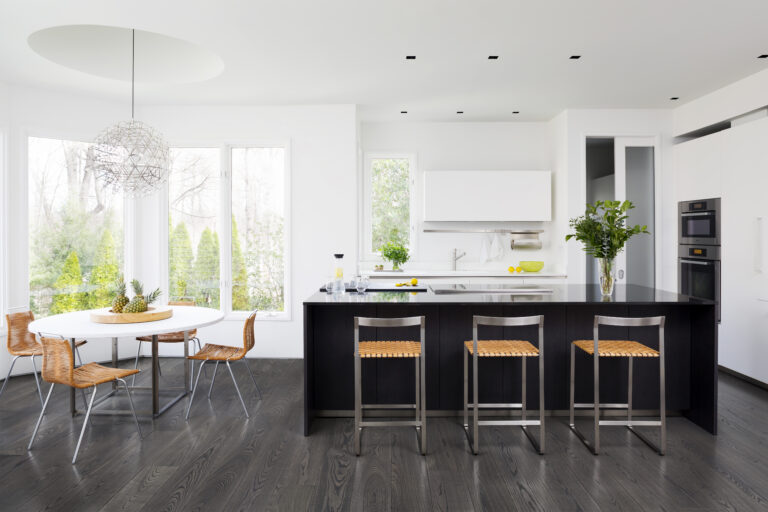
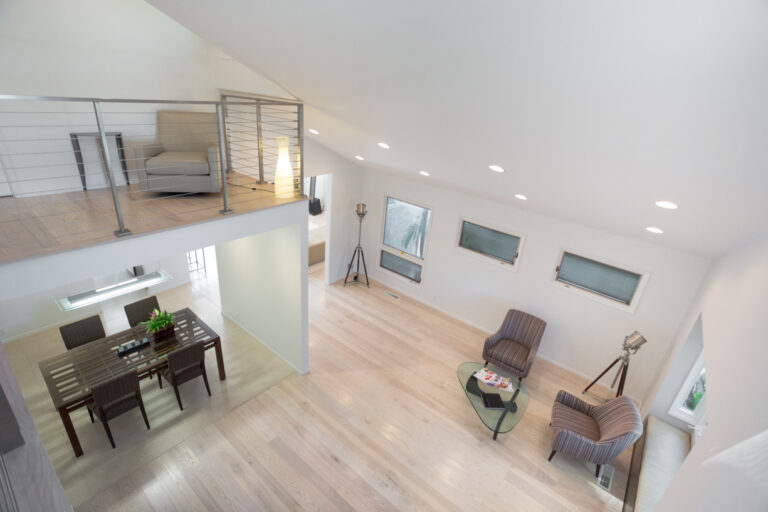
We don’t have a finished Cherry home to show yet. Request a sample, or talk to a consultant about projects in similar woods.
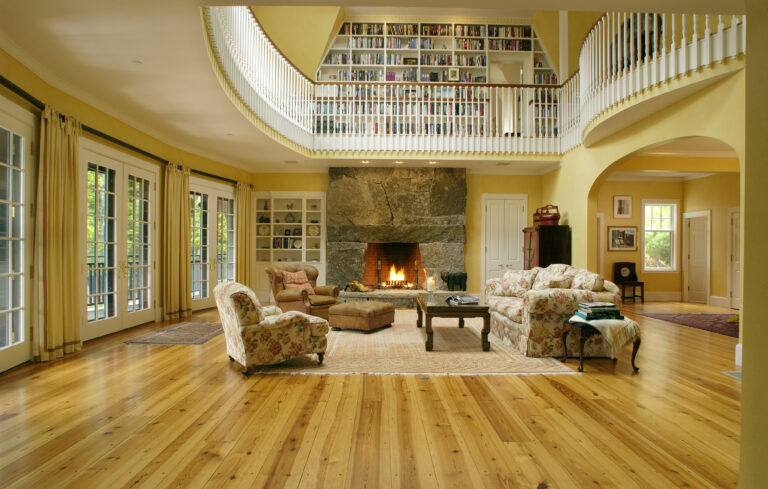
We don’t have a finished Maple home to show yet. Request a sample, or talk to a consultant about projects in similar woods.
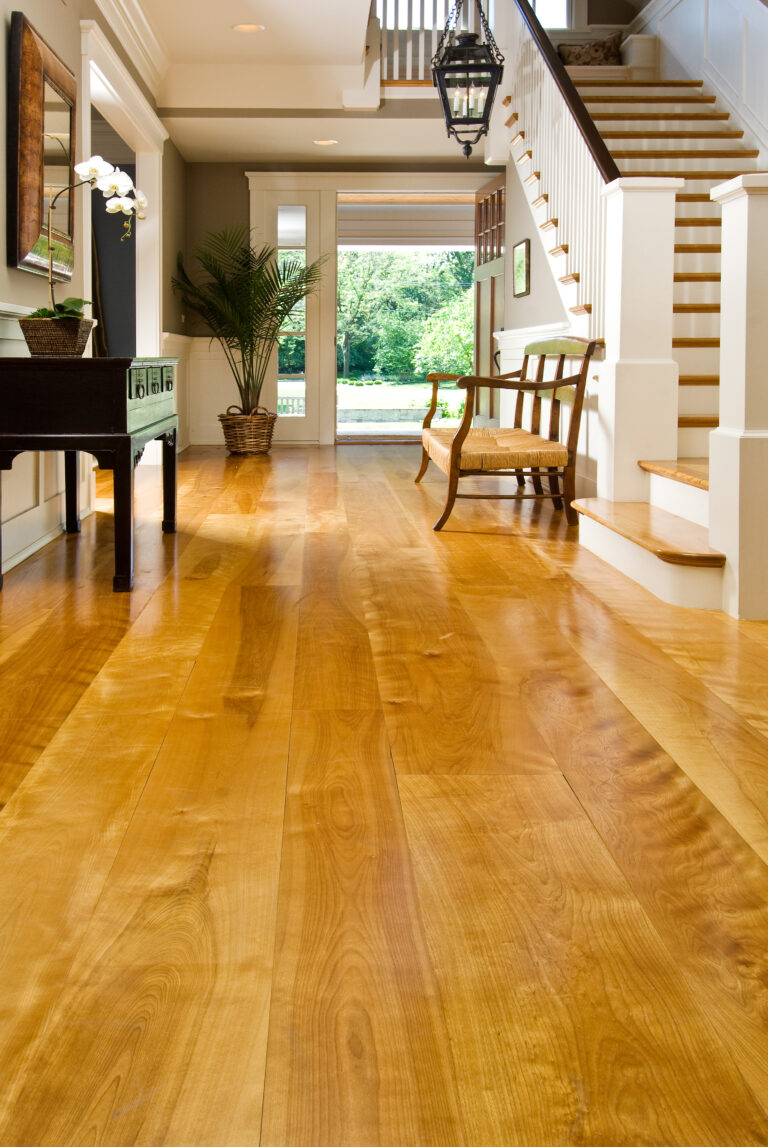
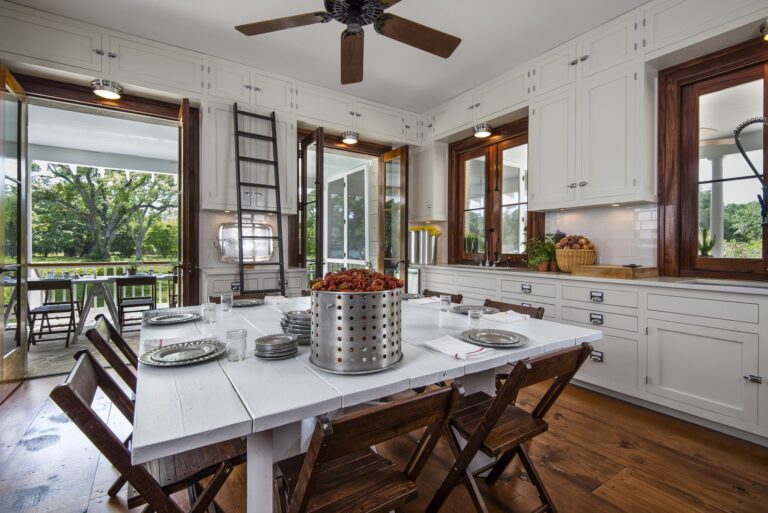
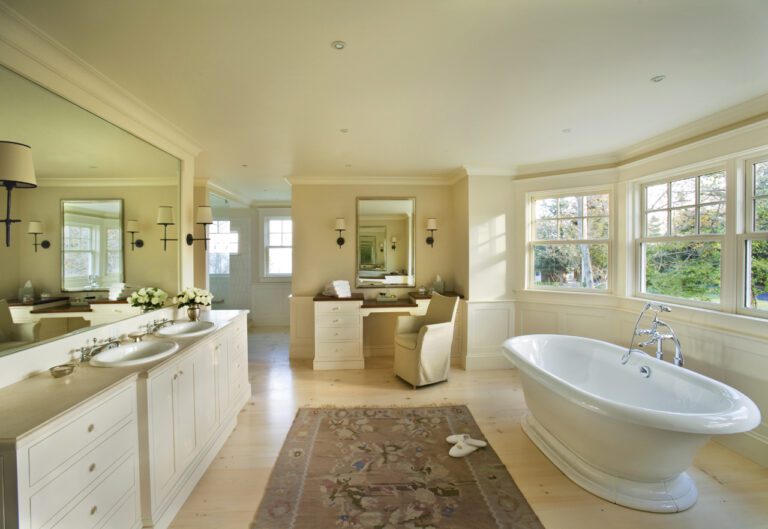
Compare All Species Side by Side Tone, grain, variation, hardness and how each wood changes over time.
| Species | Undertone | Grain | Variation | Relative hardness | How it ages |
|---|---|---|---|---|---|
| White Oak | Neutral, leaning warm | Medium; Plainsawn or Rift & Quartersawn | Moderate | Deepens slightly, warmer | |
| Red Oak | Pronounced | Pronounced grain pattern | Moderate | Ambers slightly | |
| Walnut | Warm brown | Flowing | Low–Moderate | Lightens toward golden brown | |
| Hickory | Dramatic | Dramatic grain movement | High | Warms slightly | |
| Ash | Light, creamy | Bold, moving | Moderate | Ambers slightly | |
| Cherry | Fine, smooth | Fine grain, smooth texture | Low | Darkens noticeably | |
| Maple | Pale, creamy | Subtle grain pattern | Low | Ambers gradually | |
| Birch | Warm honey | Fine grain with gentle movement | Moderate | Ambers gradually | |
| Eastern White Pine | Warm golden | Soft, characterful | High | Deepens to golden | |
| Heart Pine | Amber to red | Strong grain with rich texture | High | Deepens to richer amber |
The Carlisle difference
We work with trusted sawmills, where each species grows best, that reserve wood meeting Carlisle’s standards. Every species starts as different raw material.
Continue the journey
-
 Carlisle Curated
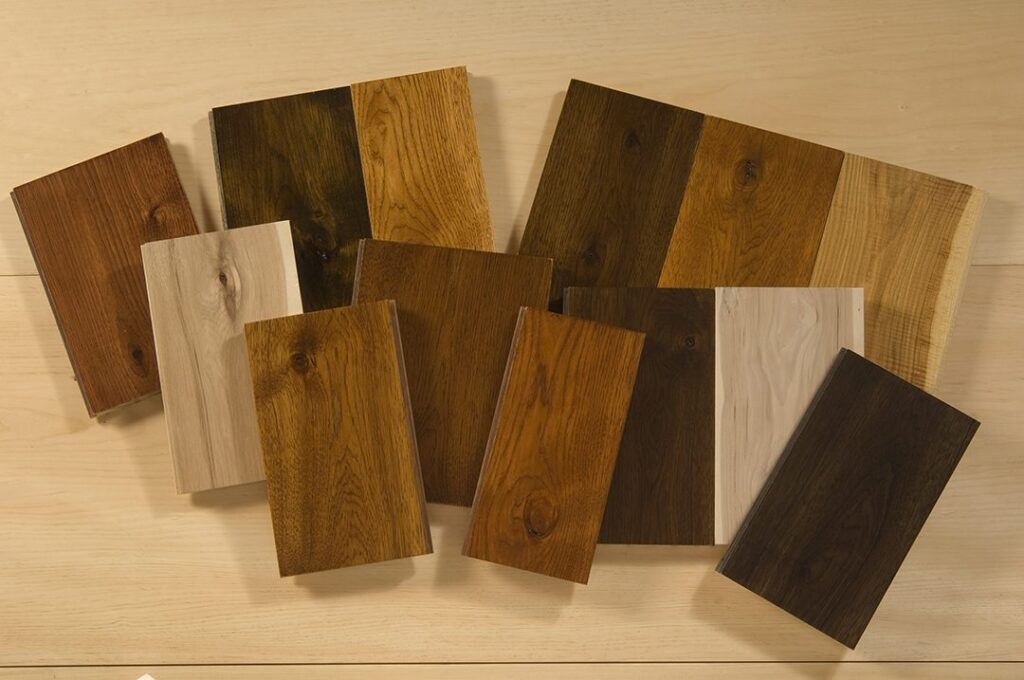
Twenty Carlisle colors, ready to sample.
Explore curated
-
 Design Studio
Custom species. Custom color. Completely bespoke.
Enter the studio
-
 Get Started
Connect with a Carlisle specialist to explore the species, color and construction best suited to your project.
Speak with a specialist