Since 1966
It takes generations
to become Carlisle
Sixty years of floors with a point of view.
The Carlisle Story
The floor that started it all.
The Kidder Story
In 1971, Megan Burke Kidder spotted a small ad in a local paper. A man named Dale had wide pine boards, wider than anyone was cutting at the time, stored in the back of a tractor-trailer somewhere in New Hampshire. She and her husband drove out to see them.
They bought everything he had.
That man with the tractor-trailer was Dale Carlisle. It was one of the very first Carlisle floors ever sold and it remains in the Kidder home to this day.
60 years of color
Created in celebration of Carlisle’s 60th anniversary, this special sample box brings together five enduring colors inspired by the historic American floors that shaped our craft. Each reflects the patina, warmth, and character that have influenced Carlisle color for generations.
-
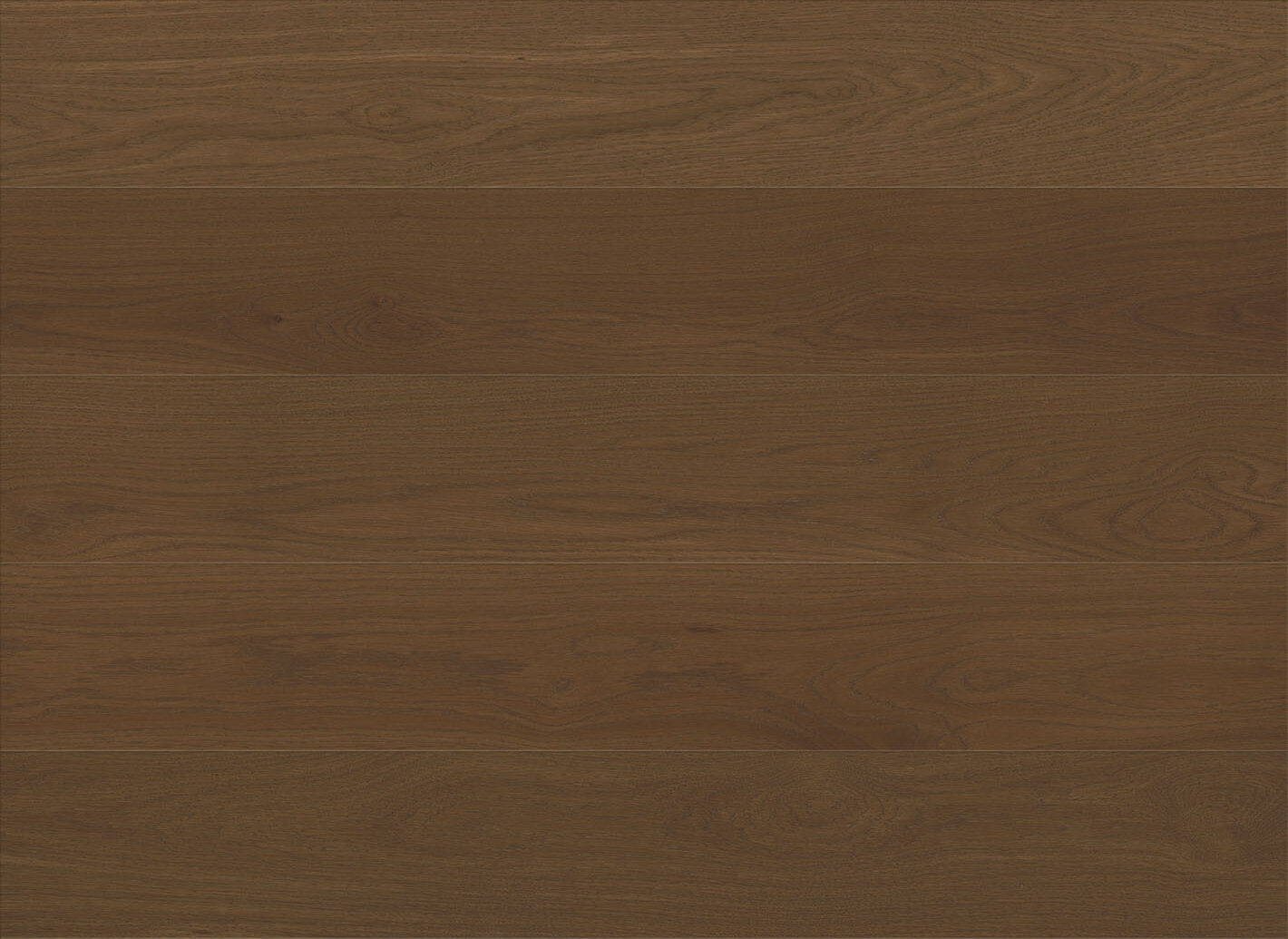 Alluvium
-
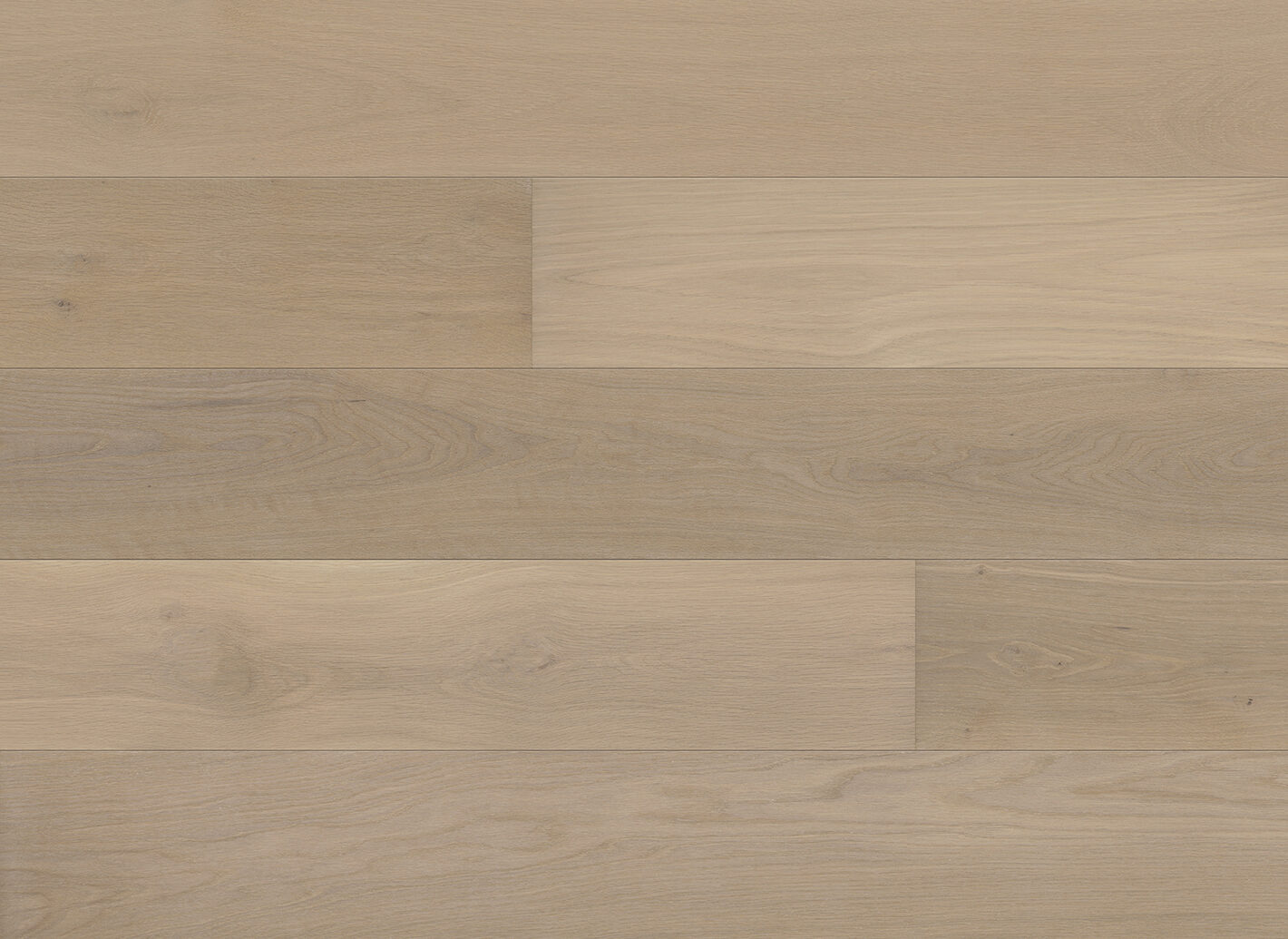 Picture Frame
-
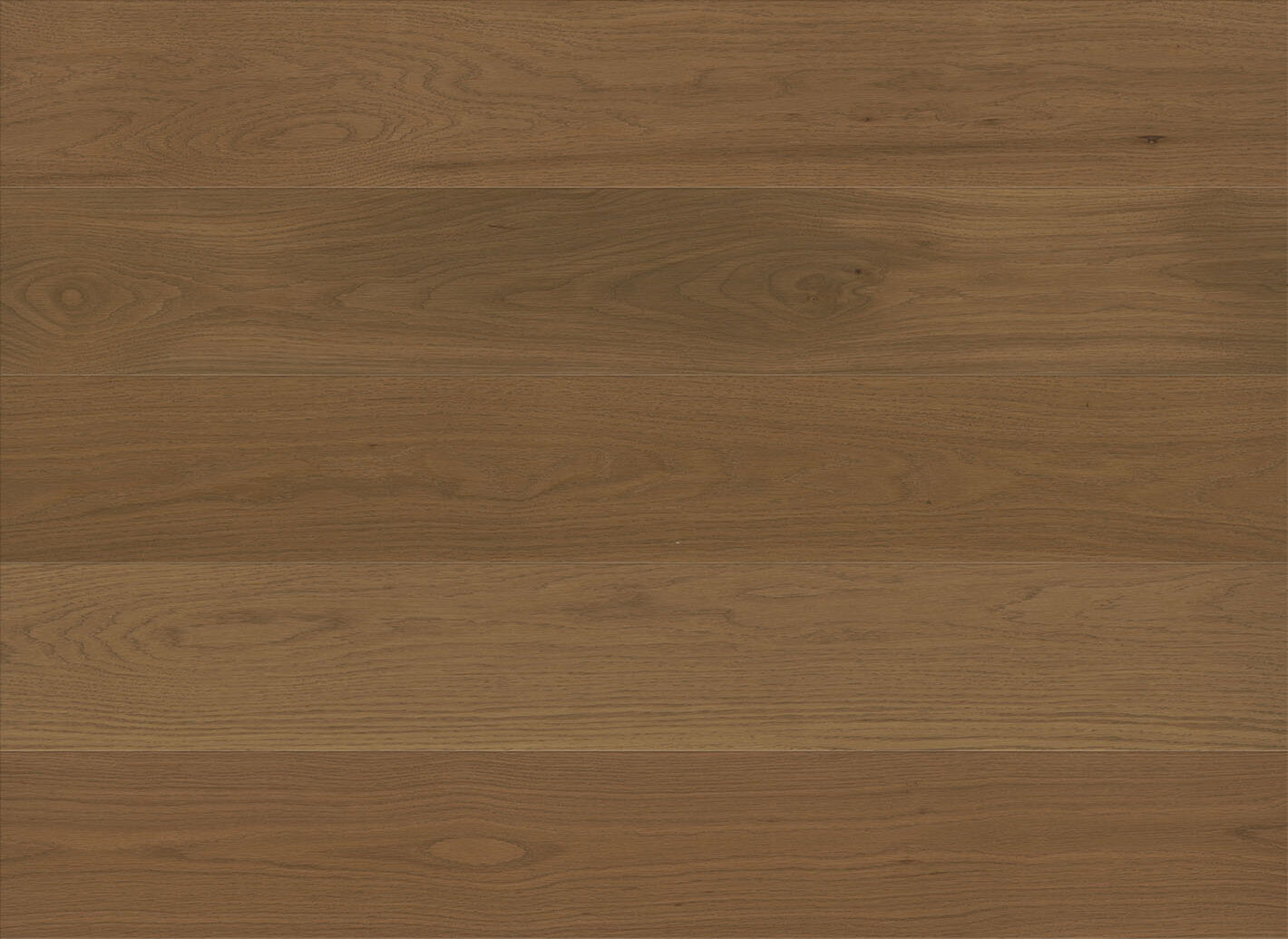 Eden
Eden
-
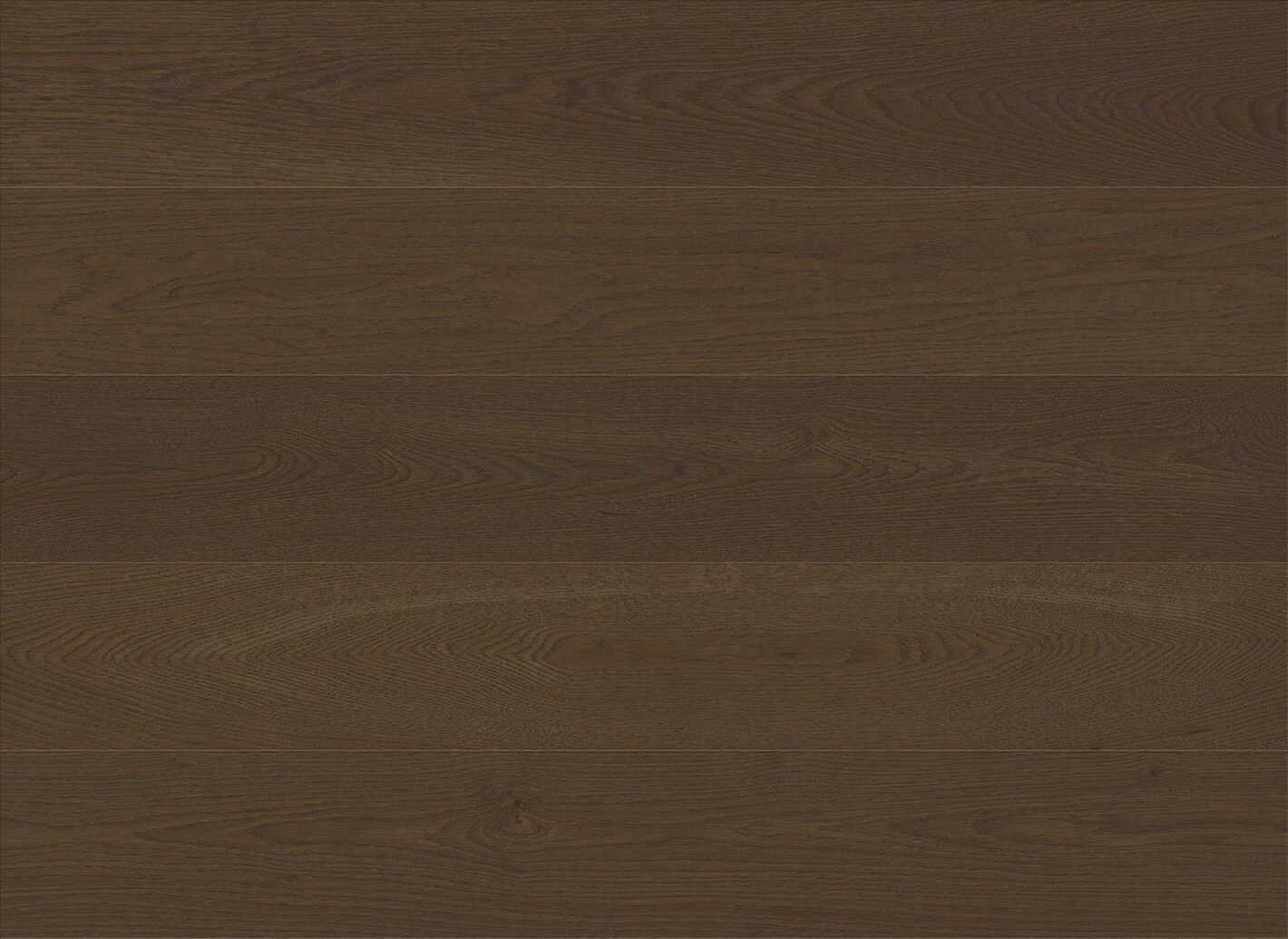 Sanctuary
-
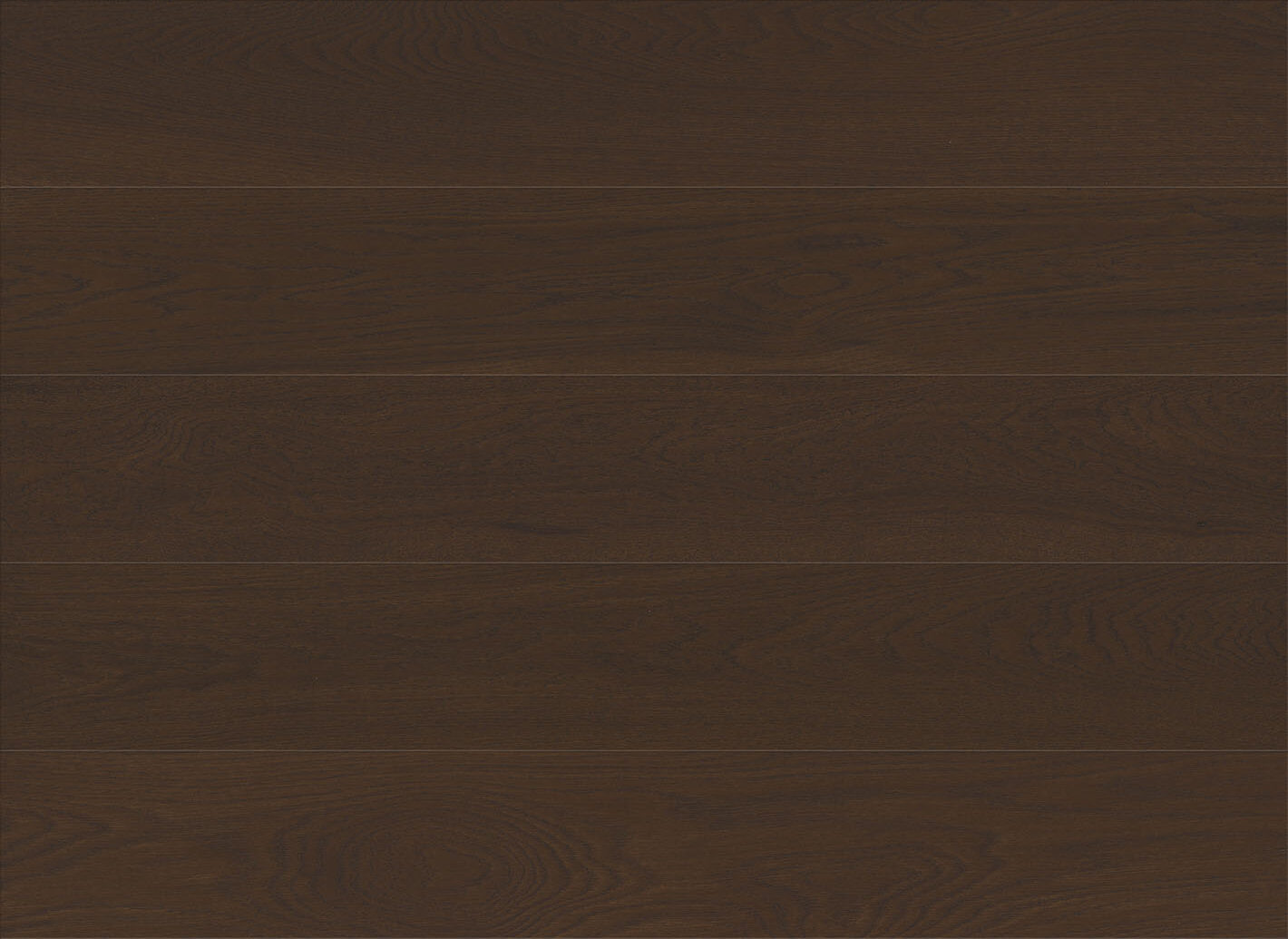 Pine Cone
60 Years of Wood
1966-1989
Carlisle began with a devotion to authenticity: crafting wide plank floors that honored the scale, character, and beauty of early American homes. In these early years, the focus was on restoring historic New England homes with the same wide Eastern White Pine boards that would have been found in the original architecture.
Chapter I / V
1966
Carlisle’s story begins in New England with the creation of its first wide plank floor. Originally known as Carlisle Restoration Lumber, the company focused on recreating the beauty and authenticity of historic New England floors.
1960S–1980S
For much of its early history, Carlisle supplied one variety of wood: Eastern White Pine. It is the wood most closely associated with original wide plank floors in historic New England homes. Each floor was crafted to preserve the look, width, and character of the region’s architectural heritage.
LATE 1980S
As Carlisle’s reputation grew, wide plank floors began appearing not only in historic restorations, but also in new homes designed with traditional New England and Colonial inspiration. What began as a restoration craft started becoming a broader design choice.
Early 1990s
Carlisle added Heart Pine, extending its restoration expertise to homes inspired by Southern architecture. Like Eastern White Pine in New England, Heart Pine reflected the flooring traditions of historic homes throughout the South.
Early 1990s
More homeowners began choosing Carlisle floors for newly built homes, especially those designed in Colonial, traditional, lodge, or historically inspired styles. The appeal was no longer only preservation — it was the warmth, scale, and permanence of authentic wide plank wood.
1996–1997
Carlisle built its own mill in Stoddard, New Hampshire, giving the company greater control over quality, craftsmanship, and production. This investment helped Carlisle preserve the details that made each floor distinct.
1998
Carlisle adopted the name Carlisle Wide Plank Floors, reflecting both the company’s craft and the category it helped define. As interest in wide plank flooring grew, the name became a clearer expression of what made Carlisle unique.
2000
Carlisle introduced reclaimed wood, a natural extension of its restoration roots. These floors brought the richness of age, history, and reuse into homes, offering clients a material with both beauty and story.
2000–2003
Carlisle expanded beyond Eastern White Pine and Heart Pine into additional premium woods, including White Oak, Cherry, Walnut, and other species. Every floor was still solid and unfinished, but the range of design possibilities was growing.
2005–2006
Long before opening West Coast showrooms, Carlisle was already crafting floors for homes in California and other western markets. This marked an important step in the company’s growing national presence.
2006
Carlisle purchased the Swanzey, NH facility, creating a second manufacturing location and expanding its ability to serve a growing national customer base.
2010
Carlisle opened its first showroom, giving clients, designers, and architects a dedicated place to experience the scale, texture, finish, and craftsmanship of its floors in person.
2010
Carlisle installed its first prefinishing line, allowing finishes to be applied in-house. This major evolution gave clients the beauty and consistency of a factory-applied finish while preserving Carlisle’s custom craftsmanship.
2012
Carlisle introduced engineered flooring alongside solid wood, giving clients greater flexibility for modern construction, installation environments, and design requirements while maintaining the beauty of a true Carlisle floor.
2013
Carlisle opens its second East Coast showroom, this time in Boston supporting more of the North East market.
2014
Carlisle continued expanding into major design markets with the opening of its Chicago showroom, strengthening its relationships with architects, designers, and homeowners across the Midwest.
2015–2016
As design preferences evolved, clients began seeking cleaner grades of wood and more refined expressions of wide plank flooring. This shift helped shape the elevated, design-forward Carlisle aesthetic seen today.
2016
Carlisle expanded its showroom presence to San Francisco, deepening its connection to the West Coast design and architecture community.
2018
Carlisle opens the Dallas showroom in response to increasing demand across the southern US.
2020s
Carlisle adds patterns: herringbone, chevron, and Versailles. These designs added a more architectural and decorative dimension to Carlisle’s offerings.
2024
Carlisle opened its Los Angeles showroom, creating a new destination for designers, architects, and homeowners in one of the country’s most influential design markets.
2025
Carlisle introduced a more curated product experience, making it easier for clients to navigate color, tone, species, and finish while preserving the customization and craftsmanship Carlisle is known for.
2026
Carlisle celebrates 60 years of craft, character, and design evolution — from restoration lumber and Eastern White Pine floors to a national luxury flooring brand known for wide plank craftsmanship, premium timbers, refined finishes, and floors made to endure for generations.
Trades Partners
No Carlisle floor is made alone. Three of the builders, architects and craftspeople we work beside share what it means to partner with Carlisle, in their own words, one minute at a time.
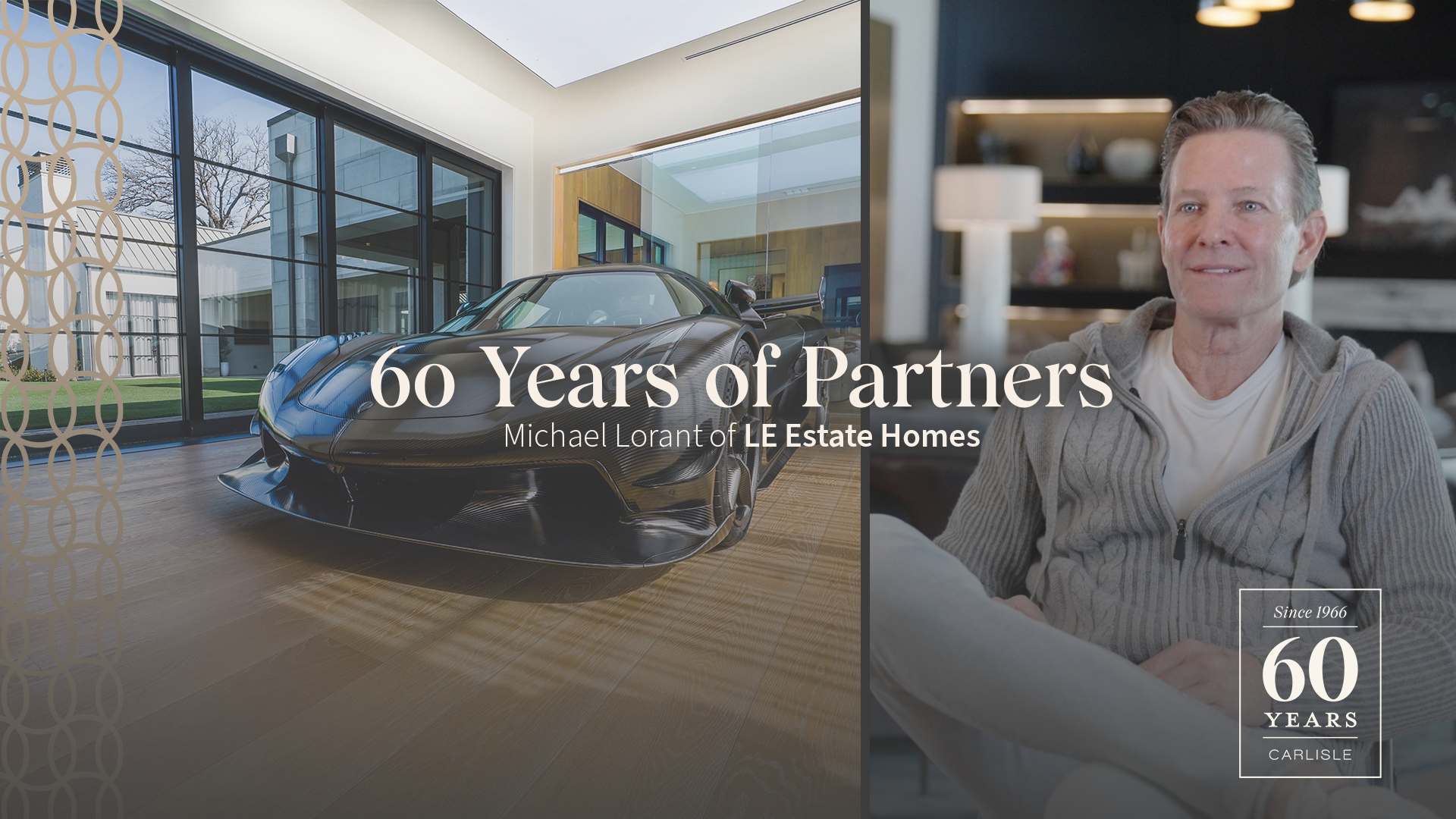
L&E Construction
“Carlisle’s my number one supplier—they’re going to do every house that I get a say in… They’re so passionate about their floors that it touched me—and I won’t ever go back.”
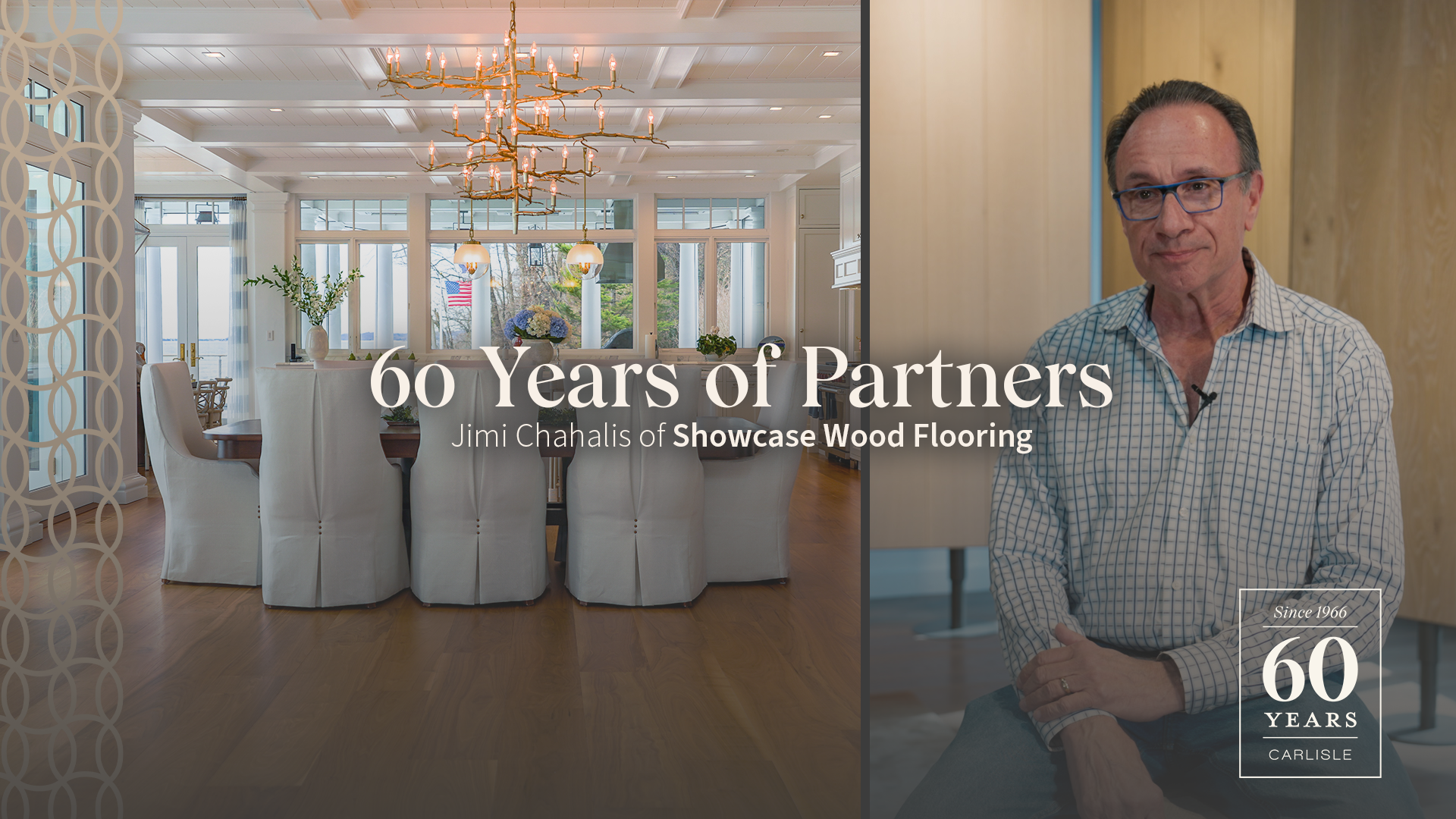
Showcase Wood Flooring
“It was like, I have to step up to the plate to do this because this is no joke. This is a serious product with serious people and serious customers. It raised my game.”
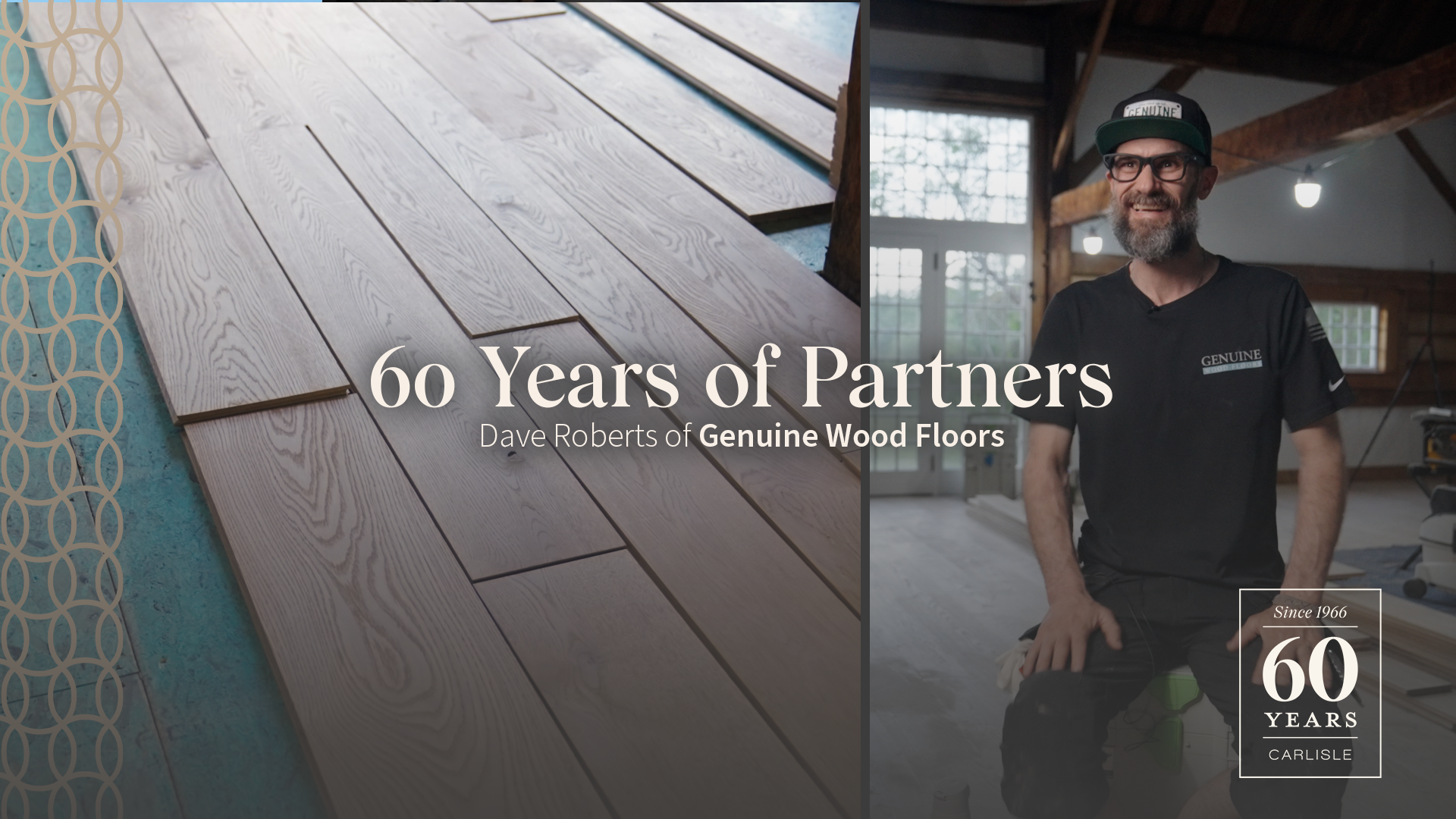
Genuine Wood Floors
“I have yet to see anybody else that makes an engineered floor as good as Carlisle’s.”
People Behind the Craft
Carlisle’s history lives in the memories of the people who helped build it. Our employees reflect on the work, the relationships, and the moments that have stayed with them.