Solid and engineered floors have the same Carlisle wood on top. The right choice depends on the conditions where your floor will be installed.
How Your Floor Is Built
Both have the same solid wood on top and look the same once installed. The difference is what’s underneath.


in both.
The wear layer is the top layer of solid wood: the part you see, walk on and can sand and refinish. See how it compares in a solid and an engineered board.
-
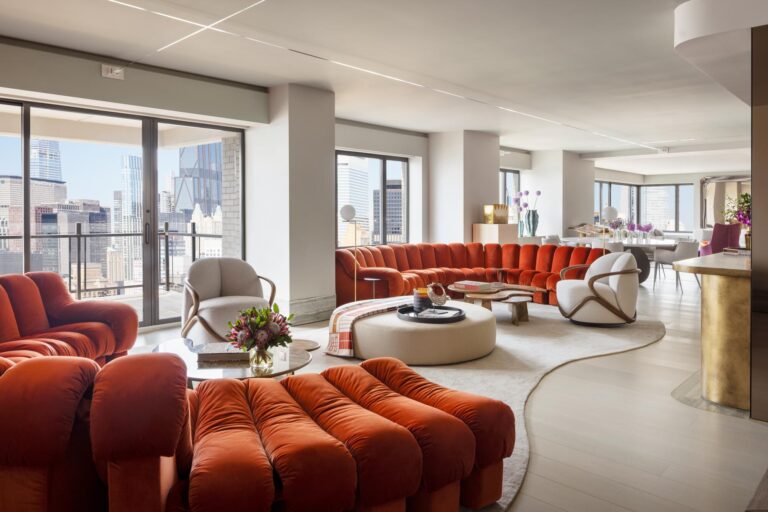 Engineered
Sovereign House
-
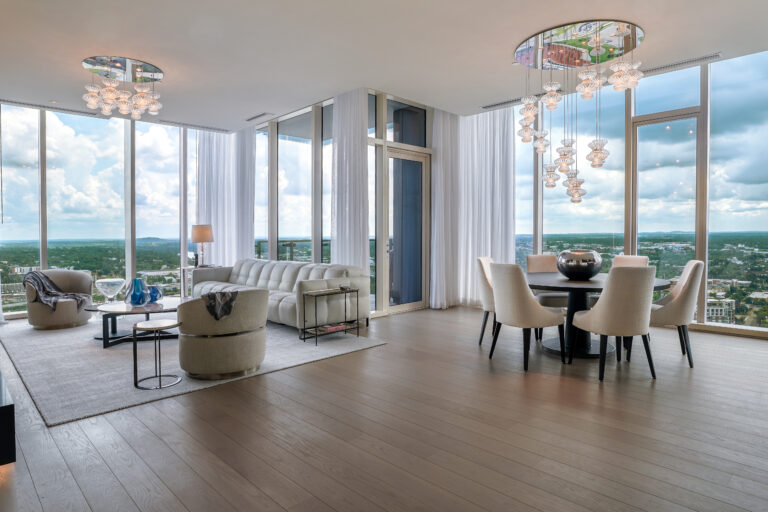 Engineered
Nashville Pied-à-Terre
-
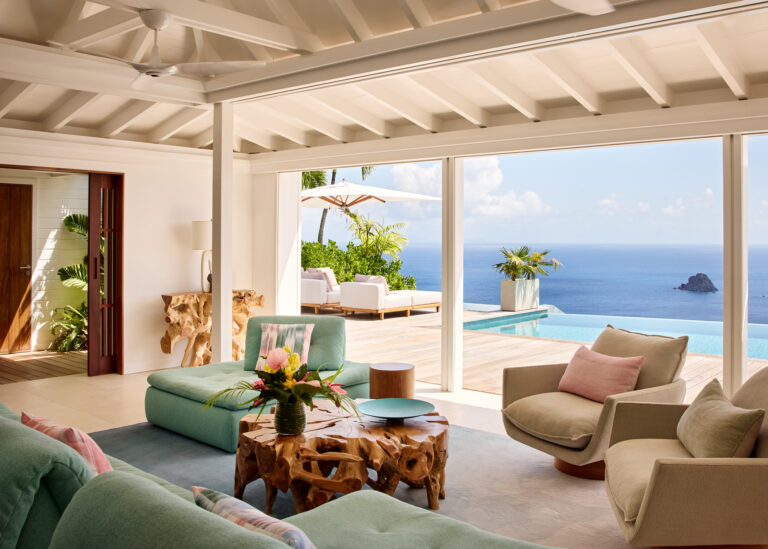 Engineered
Fleur de Mer Villas
-
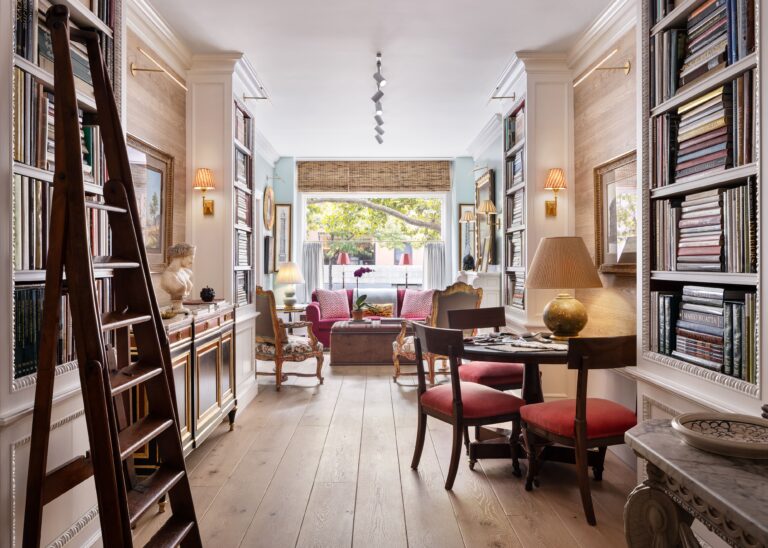 Solid
Design Atelier Reimagined
-
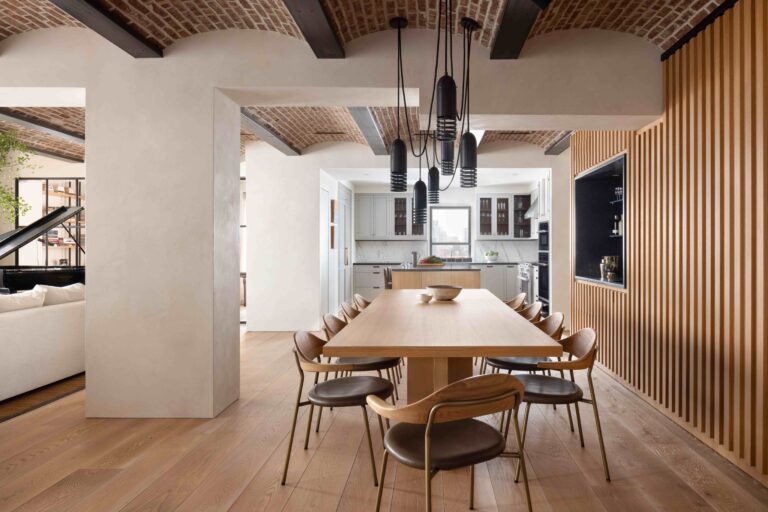 Solid
West Village Factory Loft
-
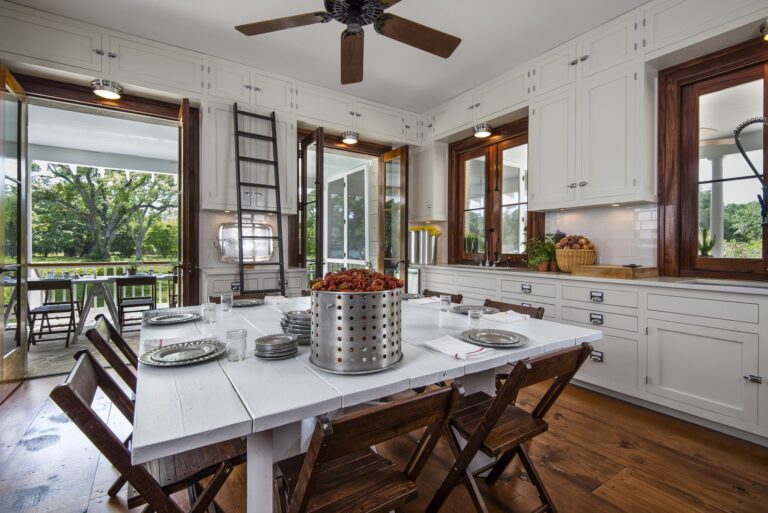 Solid
Turnbough Residence
No finished homes to show here yet.
Once installed, solid and engineered floors look the same.
Solid and engineered come from the same logs, dried and graded the same way. That’s why you can’t tell them apart once installed, and why many clients use both in one home.
real-wood surface.
Carlisle Engineered pairs a stable, layered base with the same solid hardwood surface used in our solid floors. The base resists the shrinking and swelling that come with seasonal changes in humidity, which helps wide boards stay flat and fit tightly. On top, the 4mm hardwood surface looks and feels like solid wood, develops the same patina over time and can be sanded and refinished up to three times.
-
01 · Surface
4mm Solid Wood SurfaceA 4mm-thick real hardwood surface: the top layer you see and walk on, which can be sanded and refinished up to three times.
-
02 · Bond
Formaldehyde-Free AdhesiveThe glue that holds the layers together, pressed up to five times. It’s formaldehyde-free and certified low-emission (CARB2 and MAS Green), for healthier indoor air.
-
03 · Core
Baltic Birch Plywood BaseA base made from 9–11 layers of Baltic birch, arranged in alternating directions for strength and stability. It supports planks up to 12″ wide and 12′ long.
How Carlisle Engineered Compares Carlisle Engineered vs. standard engineered vs. luxury vinyl
| Feature | Carlisle Engineered | Standard engineered | Luxury vinyl |
|---|---|---|---|
| Surface | Center-cut hardwood | Hardwood veneer | Printed vinyl |
| Wear layer | 4mm solid hardwood | Typically 1–2mm | Plastic coating |
| Refinishable | Up to 3 times | Sometimes, limited | No |
| Core | 9–11-ply Baltic birch | Plywood or composite | Vinyl, SPC or WPC |
| Aging | Develops patina | Limited renewal | Wears out |
| Lifecycle | Designed to be renewed | Shorter | Replacement product |
Your design consultant will recommend a structure for your home.
Does engineered look different from solid?
No. Both use the same center-cut hardwood. Once installed they’re visually identical, and many clients mix both in one home.
Can engineered be refinished?
Yes. The 4mm wear layer allows up to three sandings.
Why are planks different lengths?
Random lengths (2′–12′, averaging 6–7′) honor the natural yield of each log and reduce repetitive seams.
What humidity should I maintain?
30–50% relative humidity, using a humidifier or dehumidifier as your climate needs.
Is it made in the USA?
Yes. We source, mill and finish every floor in our New Hampshire facilities.
Continue the journey
-
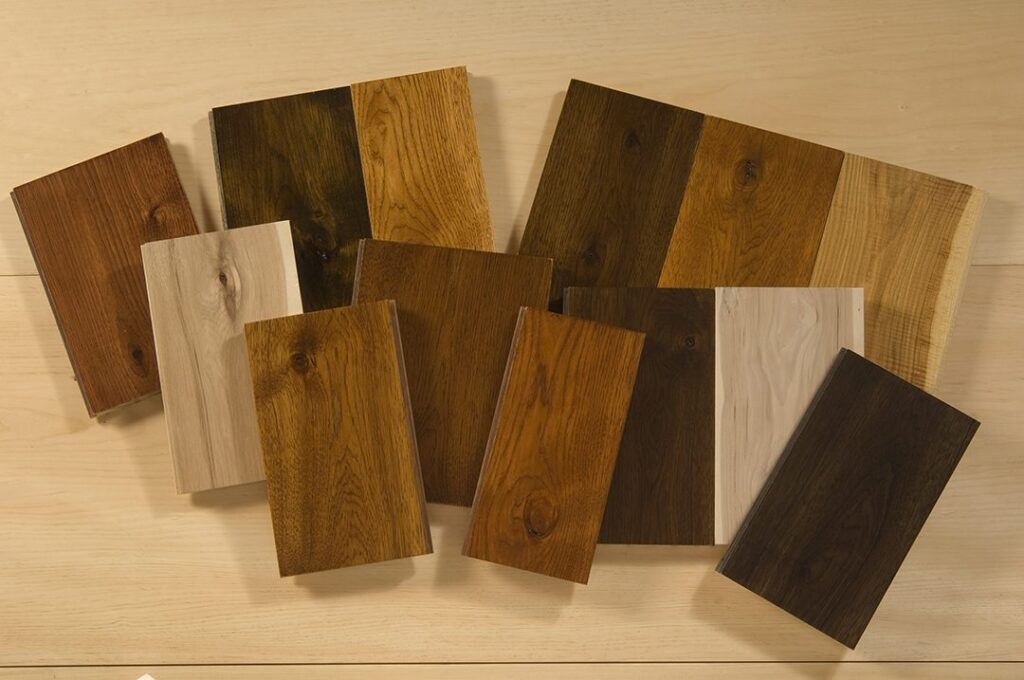 Carlisle Curated
Twenty Carlisle colors, ready to sample.
Explore curated
-
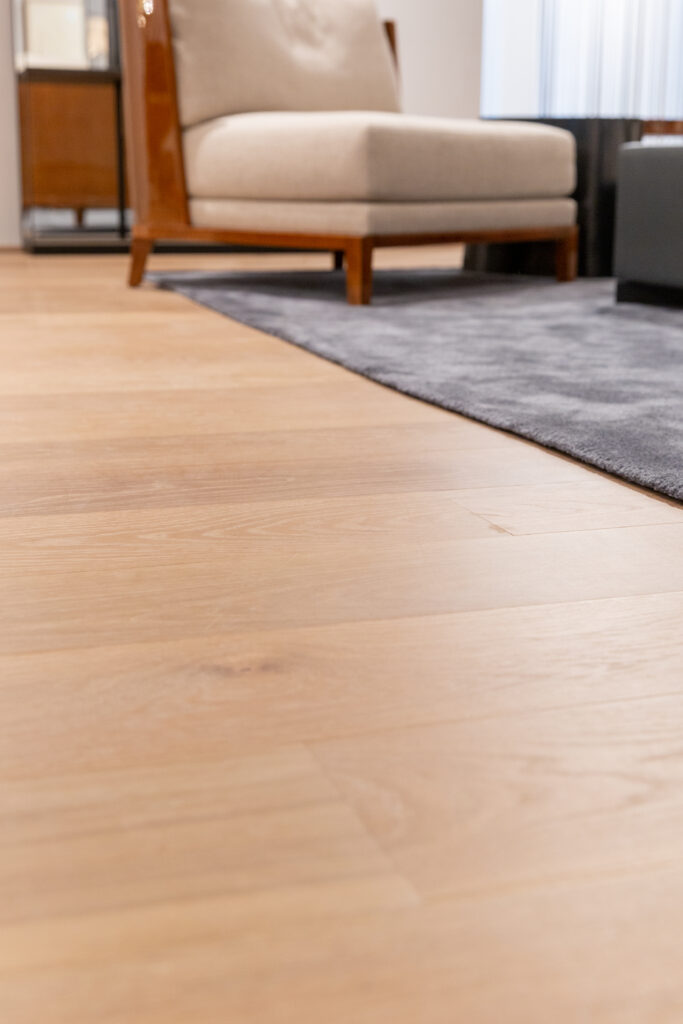 Design Studio
Custom species. Custom color. Completely bespoke.
Enter the studio
-
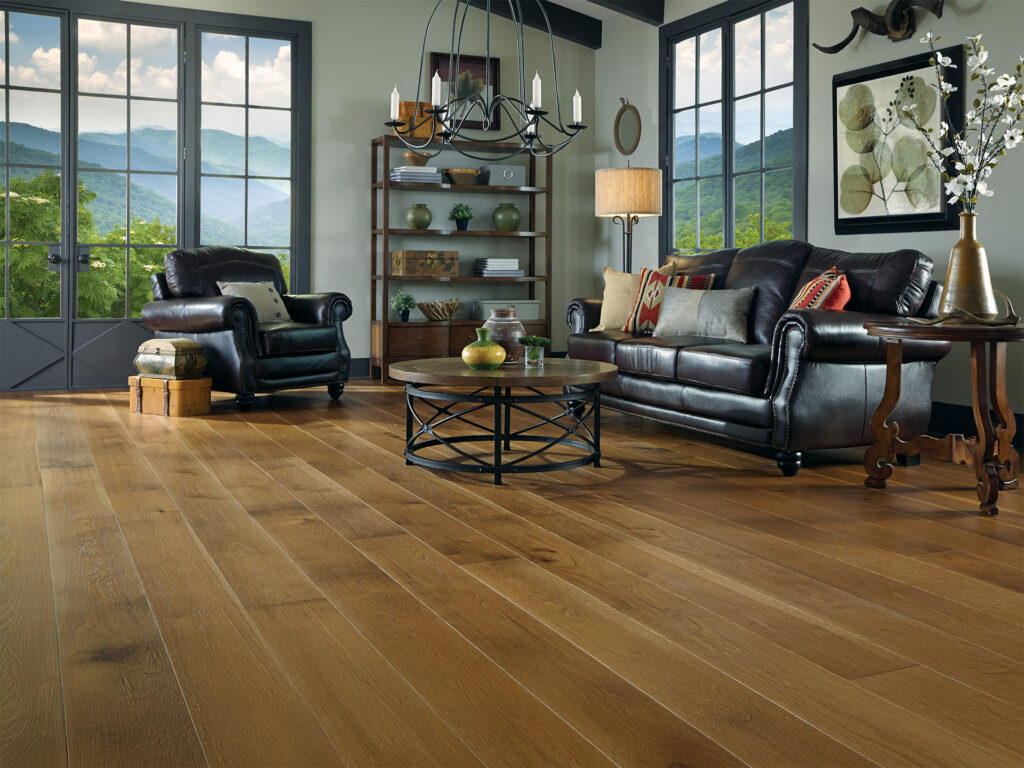 Get Started
Connect with a Carlisle specialist to explore the species, color and construction best suited to your project.
Speak with a specialist