In luxury real estate, buyers rarely evaluate a property in purely rational terms. While pricing, location, and layout matter, purchasing decisions are often driven by how a space feels within moments of entering it. Materials, light, and proportion come together to create that impression, and flooring plays a central role in shaping it.
For developers and architects working on a luxury residential development, understanding what influences buyer perception is critical. Flooring is not just a design choice; it is one of the most powerful tools for communicating quality, craftsmanship, and long-term value.
Among all flooring options, wide plank flooring continues to stand out. It aligns with what buyers expect from modern luxury, while also supporting the broader goals of design cohesion and market positioning.
Understanding Buyer Psychology in Luxury Real Estate
Luxury buyers approach properties differently from mass-market buyers. They are not simply comparing features they are evaluating experiences.
Within seconds of entering a space, buyers begin forming impressions based on:
- Scale and openness
- Material quality
- Visual harmony
- Attention to detail
These impressions are often subconscious but highly influential. A space that feels cohesive and intentional is more likely to resonate emotionally, increasing the likelihood of a positive decision.
In a luxury residential development, where buyers may view multiple units or competing properties, these immediate reactions become even more important. Flooring, as a continuous and highly visible surface, plays a key role in shaping that first impression.
Why Flooring Drives Emotional Decisions
Unlike many design elements, flooring is both seen and experienced. Buyers walk on it, notice how it reflects light, and subconsciously evaluate its quality.
Well-specified premium residential wood flooring creates:
- A sense of warmth and authenticity
- A connection between spaces
- A feeling of permanence and investment
In contrast, lower-quality or visually fragmented flooring can disrupt the experience, making even well-designed spaces feel less cohesive.
Developers often find that buyers may not explicitly mention flooring, but it strongly influences how they perceive the property’s overall quality.
The Growing Demand for Premium Residential Wood Flooring
Luxury buyers increasingly expect natural materials. Wood flooring, in particular, is associated with craftsmanship, longevity, and architectural integrity.
This is why premium residential wood flooring has become a standard in high-end projects. It signals that the developer has prioritized quality over cost-cutting, reinforcing trust in the overall build.
In competitive markets, this expectation becomes a baseline rather than an upgrade. Developments that fail to meet it risk feeling out of step with buyer expectations.
For luxury apartment flooring, this is especially relevant. Buyers comparing multiple units will quickly notice differences in material quality, even if they cannot articulate them immediately.
Why Wide Plank Flooring Signals Luxury
Among wood flooring options, wide plank flooring has become closely associated with contemporary luxury.
The reasons are both visual and experiential:
- Wider boards reduce seams, creating a cleaner look
- Natural grain patterns are more visible and expressive
- Spaces feel larger and more open
For buyers, these qualities translate into a perception of refinement and intentional design.
In luxury residential development projects, wide plank floors help differentiate units without relying on decorative elements. They create a quiet, understated luxury that resonates with modern buyers.
For luxury apartment flooring, this consistency across units reinforces the development’s overall brand, ensuring every space delivers the same high-end experience.
Preferred Colors and Finishes in Today’s Market
Color and finish preferences have shifted significantly in recent years. Buyers are moving away from overly stylized or trend-driven options and toward materials that feel natural and enduring.
Color Preferences
Warm, neutral tones are now favored because they:
- Work across different lighting conditions
- Complement a wide range of interior styles
- Feel timeless rather than seasonal
In large spaces, these tones also help maintain visual continuity, preventing the floor from becoming too dominant or distracting.
Finish Preferences
Matte and low-sheen finishes have largely replaced high-gloss surfaces in luxury interiors.
These finishes:
- Reduce glare in well-lit spaces
- Highlight natural wood texture
- Age more gracefully over time
For premium residential wood flooring, these characteristics align with buyer expectations for materials that feel authentic and lived-in rather than overly polished.
Impact on Marketing and Staging
Flooring decisions influence not only how a space feels in person, but also how it performs in marketing.
High-quality wide plank flooring enhances:
- Photography for listings and promotional materials
- Visual consistency across units
- Overall presentation during staging
Spaces with cohesive flooring tend to photograph better, as fewer visual interruptions allow for cleaner compositions. This is particularly important in digital-first property searches, where first impressions are often made online.
In luxury residential development projects, where multiple units must be marketed efficiently, flooring becomes a key element in maintaining a consistent visual identity.
Creating a Cohesive Buyer Experience
Successful developments create a seamless experience from entry to interior. Flooring plays a critical role in connecting these moments.
From the moment a buyer steps into a unit, luxury apartment flooring should:
- Guide movement through the space
- Reinforce openness and flow
- Support the architectural design
When flooring is thoughtfully specified, it disappears into the experience, allowing the space itself to take center stage.
Aligning Flooring with Long-Term Value
Luxury buyers are not only purchasing for today but also considering long-term value.
Flooring that feels timeless and durable contributes to:
- Confidence in the investment
- Reduced need for future upgrades
- Stronger resale potential
By specifying premium residential wood flooring, developers align their projects with these expectations, ensuring the property remains relevant beyond initial sale.
Conclusion: Flooring as a Selling Advantage
In luxury real estate, the details that matter most are often the ones buyers feel rather than consciously evaluate. Flooring is one of those elements.
By investing in wide plank flooring and premium residential wood flooring, developers create spaces that resonate immediately, enhancing both emotional appeal and perceived value.
For any luxury residential development, flooring is not just part of the design; it is a key driver of how quickly and successfully a property sells.
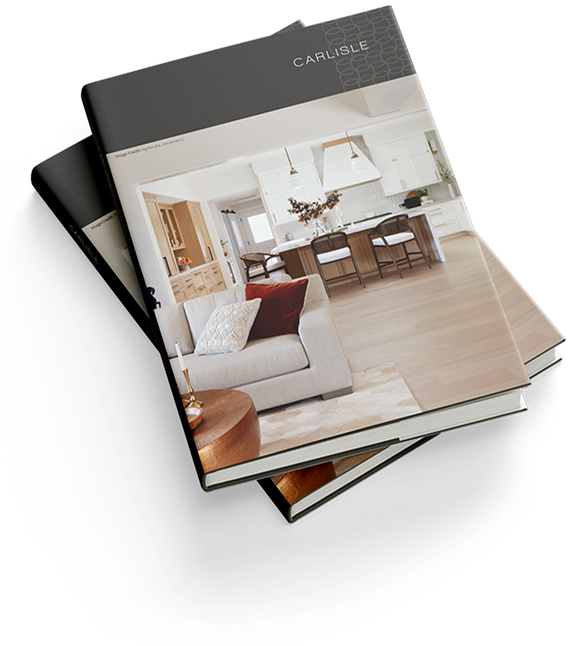
The Carlisle Residential Lookbook is filled with real projects, design inspiration, and ideas to guide your flooring journey. Download today and take the first step toward your own masterpiece.
By subscribing you agree to receive emails and marketing materials from Carlisle.