In luxury interior architecture, materials are not layered; they are composed. Every surface, junction, and transition contribute to how a space is understood and experienced. Among these elements, flooring holds a unique position. It is the only material that connects every room, anchors every space, and remains in constant interaction with both light and movement.
For architects and interior designers, flooring is not a background decision. It is an architectural foundation that defines proportion, continuity, and spatial clarity. In contemporary projects, particularly within a luxury residential development, this role becomes even more critical, as flooring must unify multiple spaces while maintaining a refined, consistent identity.
This is where wide plank flooring plays a defining role. Its scale, material integrity, and visual restraint align naturally with the principles of luxury interior architecture.
Flooring as an Architectural Foundation
In well-resolved interiors, flooring does not compete for attention; it supports the entire composition.
Unlike furnishings or decorative elements, flooring is permanent. It establishes:
- The base tone of the interior
- The relationship between spaces
- The rhythm of movement through the home
For architects, this means flooring must be considered early in the design process, not at the end. Decisions around material, plank width, and finish influence how other elements, such as walls, ceilings, and millwork are perceived.
In projects specifying premium residential wood flooring, this foundation becomes even more important. The quality and consistency of the floor set expectations for the rest of the space.
Integration with Walls, Ceilings, and Millwork
Luxury interiors are defined by how materials meet, not just what materials are used.
Flooring must integrate seamlessly with:
- Vertical surfaces such as plaster or paneled walls
- Ceiling treatments, including beams or coffered structures
- Custom millwork, cabinetry, and built-ins
When these elements are aligned, the space feels composed rather than assembled.
Wide plank flooring supports this integration by simplifying the visual field. With fewer seams and broader boards, it creates a clean base that allows architectural details to stand out without distraction.
Interior designers often coordinate flooring with millwork tones and finishes to ensure consistency across horizontal and vertical planes. This alignment reinforces the overall design intent, particularly in architect-led projects where material relationships are carefully controlled.
Material Continuity in Luxury Design
Continuity is one of the defining characteristics of luxury interiors. Rather than introducing contrast at every turn, high-end spaces rely on cohesion allowing materials to flow naturally from one area to another.
Flooring plays a central role in achieving this continuity.
In open-plan layouts and large residences, consistent premium residential wood flooring:
- Connects living, dining, and kitchen areas
- Reduces the need for transitions between rooms
- Enhances the perception of space
For luxury residential development projects, this continuity extends across multiple units. A consistent flooring strategy ensures that every residence reflects the same level of design consideration, reinforcing the identity of the development.
Why Wide Plank Flooring Supports Clean Architecture
Modern luxury architecture often emphasizes clarity of clean lines, balanced proportions, and restrained material palettes.
Wide plank flooring aligns naturally with this approach.
By reducing the number of seams across the floor, it creates:
- A calmer visual surface
- Stronger horizontal lines
- A sense of scale that matches large architectural volumes
In contrast, narrower planks introduce repetition that can feel busy in expansive spaces. This can disrupt the intended simplicity of the design.
Luxury wide plank floors allow architecture to take precedence. They provide a refined backdrop that supports the structure of the space rather than competing with it.
Design Applications in Modern Interiors
In contemporary luxury homes, flooring is often used to reinforce openness and light.
Wide plank wood floors are particularly effective in:
- Open-plan living spaces with minimal partitions
- Interiors with large-format glazing and natural light
- Spaces defined by clean, linear geometry
In these environments, wide plank flooring enhances flow and continuity, allowing the architecture to feel uninterrupted.
Interior designers often pair these floors with neutral palettes and subtle textures, creating spaces that feel calm, cohesive, and intentional.
Design Applications in Classic and Transitional Interiors
While often associated with modern design, luxury wide plank floors are equally effective in more traditional or transitional interiors.
In classic settings, they:
- Highlight natural wood grain and character
- Complement detailed millwork and paneling
- Add a sense of authenticity and craftsmanship
In transitional spaces, wide planks help bridge traditional and contemporary elements, providing a neutral foundation that supports both.
For premium residential wood flooring, this versatility ensures the material remains relevant across different architectural styles.
Balancing Scale, Texture, and Detail
In large luxury spaces, scale must be carefully managed. Flooring contributes significantly to this balance.
Architects and designers often evaluate:
- Plank width in relation to room size
- Texture in relation to light and material palette
- Color in relation to surrounding finishes
Subtle textures such as wire-brushed or lightly worked surfaces can add depth without overwhelming the space. Similarly, controlled color variation ensures the floor remains cohesive across large areas.
These decisions are particularly important in luxury residential development projects, where flooring must perform consistently across multiple environments while maintaining a high level of refinement.
Flooring as a Unifying Element Across Spaces
In both private residences and multi-unit developments, flooring serves as the thread that ties spaces together.
From entry to living areas, from corridors to private rooms, consistent premium residential wood flooring creates a sense of continuity that enhances the overall experience.
For luxury residential development projects, this consistency:
- Strengthens the architectural identity of the building
- Ensures a cohesive experience across units
- Reinforces quality at every touchpoint
Conclusion: Flooring as an Architectural Decision
In luxury interior architecture, flooring is not a surface it is a structure.
It defines how spaces connect, how materials interact, and how architecture is experienced over time. By selecting wide plank flooring and premium residential wood flooring, architects and designers create interiors that feel cohesive, intentional, and enduring.
Whether in a private residence or a large luxury residential development, flooring remains one of the most powerful tools for shaping space quietly supporting the architecture while elevating the entire design.
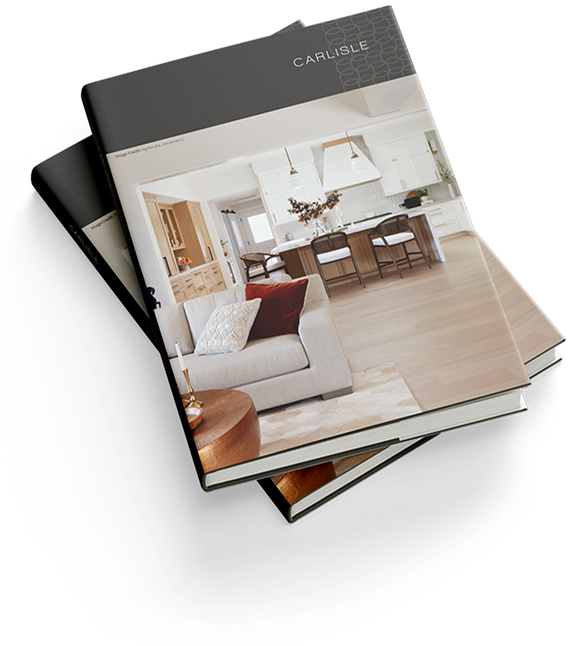
The Carlisle Residential Lookbook is filled with real projects, design inspiration, and ideas to guide your flooring journey. Download today and take the first step toward your own masterpiece.
By subscribing you agree to receive emails and marketing materials from Carlisle.