Luxury residential design has entered a new era one shaped as much by hospitality as by traditional homebuilding. Today’s most desirable residences are not simply private spaces; they are designed to feel immersive, elevated, and deeply comfortable from the moment someone enters. Developers, architects, and interior designers are increasingly borrowing cues from boutique hotels, private clubs, and high-end resorts to create homes and apartments that feel curated rather than conventional.
This shift is especially visible in luxury residential development projects, where buyers expect more than square footage and finishes. They expect atmosphere. They want spaces that feel considered, warm, and effortless, with materials that deliver both visual refinement and daily livability.
Flooring plays a central role in that experience. In boutique hotels, flooring must support mood, movement, durability, and design identity. The same expectations now apply to luxury apartment flooring and high-end residences. When thoughtfully specified, premium residential wood flooring brings the warmth, continuity, and tactile richness that hospitality-inspired living demands.
Luxury Residences Inspired by Boutique Hospitality
Boutique hotels are designed to create a feeling. Every surface, transition, and material is selected to shape the guest experience. Lighting softens the mood, textures invite touch, and flooring guides movement through lobbies, suites, lounges, and private spaces.
Luxury residences are increasingly borrowing this same approach.
Instead of designing homes as collections of separate rooms, architects and interior designers are creating residential environments that feel layered and experiential. The entry sets the tone. The living area feels welcoming. The primary suite offers a retreat. Shared amenity spaces in high-end developments feel closer to private hospitality lounges than traditional apartment common areas.
In a luxury residential development, this hospitality influence helps establish emotional value. Buyers and residents are not only evaluating the unit itself; they are responding to the entire atmosphere of the property.
Wood flooring supports that atmosphere by introducing warmth, natural texture, and a sense of permanence. Unlike colder surfaces, premium residential wood flooring creates a residential softness while still feeling sophisticated enough for large scale luxury projects.
Flooring Choices in Hospitality Design
Hospitality designers understand that flooring must do more than look beautiful. It must manage traffic, support acoustics, create visual continuity, and reinforce the identity of the space.
In boutique hotels, flooring decisions often consider:
- First impression at the entry
- Durability under frequent use
- Flow between public and private spaces
- Comfort underfoot
- Compatibility with stone, metal, millwork, and textiles
These same considerations now influence luxury apartment flooring. In high-end residential towers, mixed-use properties, and branded residences, flooring must perform across multiple environments from private units to corridors, lounges, model residences, and amenity spaces.
Carlisle’s Commercial resources speak directly to this need, supporting offices, retail, hospitality, and large-scale projects where durability and beauty must work together. For developers, this type of flooring strategy helps bridge the expectations of residential comfort and commercial-grade performance.
Durability and Atmosphere Must Work Together
One of the greatest lessons luxury residences borrow from hospitality design is the balance between durability and atmosphere.
A boutique hotel cannot choose materials that look beautiful but fail under daily use. At the same time, it cannot rely on purely practical materials that feel cold or generic. Luxury depends on both performance and feeling.
The same is true in luxury residential development projects.
Developers must consider:
- How flooring will perform across repeated use
- How it will photograph for sales and leasing
- How it will age in high visibility areas
- How it contributes to perceived quality
Premium residential wood flooring is effective because it delivers both emotional warmth and long-term value. It can support refined interiors while still feeling grounded and livable.
For private residences, this balance creates comfort. For luxury apartments, it supports consistency. For mixed-use and hospitality-inspired spaces, it helps interiors feel elevated without feeling untouchable.
Design Lessons from Yabu Pushelberg and Roman and Williams
Hospitality inspired residential design has been shaped by studios known for creating atmosphere through material, scale, and storytelling.
Yabu Pushelberg, with work spanning luxury hotels, residences, retail, and lifestyle environments, is often associated with refined material layering, sculptural restraint, and immersive interiors. Roman and Williams, known for projects that feel richly textured and deeply atmospheric, often demonstrates how wood, metal, stone, leather, and custom details can create interiors with both polish and soul.
The lesson for luxury residential design is clear: materials must work together to create experience.
Flooring is one of the most important parts of that equation. It connects architectural surfaces, softens transitions, and gives the interior its underlying tone. In hospitality inspired homes and apartments, wood flooring often becomes the element that makes luxury feel human.
This is particularly important in large developments, where repeated layouts can risk feeling standardized. Carefully selected premium residential wood flooring adds character and warmth while maintaining consistency across units and shared spaces.
Why Wood Flooring Creates Warmth in Large Scale Projects
Large-scale residential and mixed-use projects can easily feel impersonal if materials are too hard, too glossy, or too uniform. Stone, glass, concrete, and metal may create architectural impact, but without natural warmth, the environment can feel distant.
Wood flooring changes that experience.
It introduces:
- Natural grain variation
- Tactile depth
- Visual warmth
- A sense of permanence
- Softer transitions between spaces
For luxury apartment flooring, this matters because buyers and residents want spaces that feel premium but still livable. A floor should elevate the residence without making it feel overly formal.
In shared spaces such as lounges, corridors, private dining rooms, and amenity areas, wood flooring also helps create a hospitality atmosphere. It brings the comfort of residential design into settings that require commercial durability and visual consistency.
Hospitality-Inspired Flooring in Private Residences
Hospitality influence is not limited to large developments. Many luxury homeowners now want their private residences to feel like highly personalized boutique retreats.
This may appear through:
- Hotel-inspired primary suites
- Lounge inspired living rooms
- Spa influenced bathrooms and dressing areas
- Entryways designed as dramatic arrival moments
- Wine rooms, libraries, and private entertaining spaces
In these environments, flooring becomes part of the sensory experience. It shapes how the home feels underfoot, how sound moves through the space, and how materials visually connect.
Premium residential wood flooring works especially well because it can feel refined without feeling commercial. It allows a home to borrow the sophistication of hospitality design while preserving the comfort and individuality of private living.
The Role of Wide Planks in Hospitality Inspired Interiors
While this article focuses on hospitality inspired living, plank scale remains essential. Wider boards are often preferred in luxury interiors because they create a calmer and more expansive floor plane.
In large residences and apartment developments, wide planks help:
- Reduce visual interruption
- Create stronger sightlines
- Showcase natural wood grain
- Support open concept layouts
- Reinforce a sense of custom craftsmanship
This is one reason wood floors are so effective in hospitality-inspired spaces. They create continuity across large areas without feeling repetitive.
For developers specifying luxury apartment flooring, this can improve both the physical experience of the space and the emotional impression during tours, staging, and marketing.
Carlisle explores similar considerations in Luxury Floors for High End Residential Developments: What Developers Need to Know, where flooring is discussed as a strategic element in luxury apartments, wide plank wood floors, durability, and premium project support.
Material Continuity Across Residences and Amenities
One of the most important hospitality lessons for developers is continuity. Boutique hotels create memorable experiences because the design feels consistent from lobby to suite, from corridor to lounge, from arrival to retreat.
Luxury residential projects benefit from the same strategy.
A carefully coordinated flooring program can connect:
- Model units
- Private residences
- Amenity lounges
- Corridors
- Reception areas
- Private dining or entertaining rooms
This does not mean every space must look identical. Instead, flooring can establish a shared material language, while furnishings, lighting, and wall treatments create distinction.
In luxury residential development, this approach helps the project feel cohesive and intentional. It also supports stronger branding, especially in properties where lifestyle experience is a key selling point.
Balancing Residential Comfort with Commercial Expectations
Large luxury projects often balance residential and commercial requirements. Private units must feel personal and comfortable, while shared areas must handle repeated use. Mixed-use environments may include retail, hospitality, office, or amenity components within the same property.
This is where material selection becomes especially important.
Premium residential wood flooring must be evaluated for:
- Wear performance
- Finish durability
- Maintenance expectations
- Visual consistency
- Compatibility with high end interiors
For project teams, Carlisle’s Professionals section offers a useful resource for architects, interior designers, and builders creating bespoke wide plank floors for extraordinary spaces. This type of collaboration is essential when flooring must satisfy both design ambition and real-world use.
Why Hospitality-Inspired Living Resonates with Buyers
Luxury buyers are increasingly drawn to residences that offer an experience, not just a floor plan. They want spaces that feel complete, considered, and emotionally engaging.
Hospitality-inspired design resonates because it suggests:
- Ease
- Comfort
- Service level refinement
- Material richness
- A sense of escape within daily life
Flooring supports each of these qualities. It sets the mood at arrival, creates warmth throughout the interior, and gives the residence a sense of permanence.
For developers, this can translate into stronger buyer perceptions. In competitive markets, a residence that feels like a private boutique hotel experience can stand apart from properties that rely only on standard luxury finishes.
Conclusion
Hospitality inspired living has changed the expectations of luxury residential design. Today’s buyers want homes and apartments that feel immersive, warm, and beautifully composed spaces that borrow the atmosphere of boutique hotels without losing the intimacy of home.
For luxury residential development, flooring is one of the most important ways to achieve that balance. It shapes first impressions, supports design continuity, and contributes to long-term performance across private and shared spaces.
Whether used in private residences, amenity areas, or high-end luxury apartment flooring, premium residential wood flooring brings warmth, refinement, and durability to large-scale projects. With the right material strategy, developers and designers can create residences that feel less like units and more like destinations.
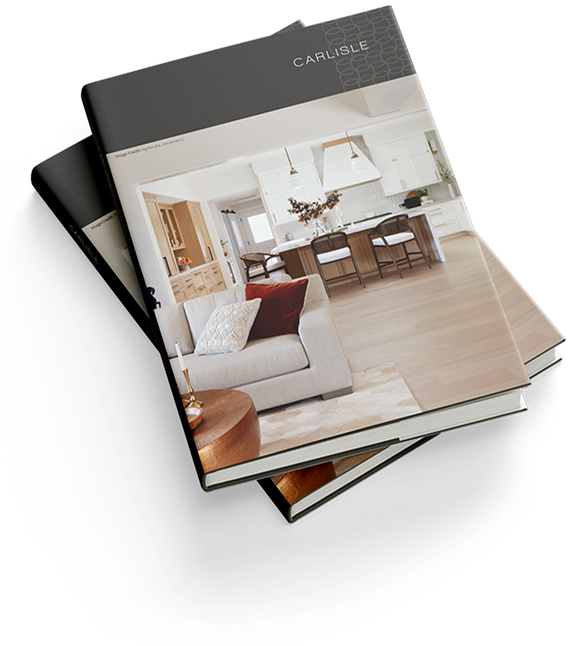
The Carlisle Residential Lookbook is filled with real projects, design inspiration, and ideas to guide your flooring journey. Download today and take the first step toward your own masterpiece.
By subscribing you agree to receive emails and marketing materials from Carlisle.