In luxury interiors, space is not shaped by walls alone. It is shaped by proportion, light, material, texture, and the way each surface relates to the next. Flooring plays one of the most important roles in that composition because it touches every room, connects every threshold, and quietly determines how a home feels from the moment someone steps inside.
For America’s leading interior designers, wood flooring is not simply a finish selected near the end of a project. It is a spatial design tool. It can make a room feel longer, calmer, warmer, more architectural, or more intimate. In high-end residences, premium residential wood flooring becomes part of the design language itself.
This is why designers continue to specify wide plank flooring in luxury homes. Wider boards reduce visual interruption, reveal more natural grain, and create a more composed foundation for furniture, art, millwork, and architecture. For clients investing in luxury homeowner flooring, this level of material consideration separates a beautifully decorated home from a fully realized interior.
Flooring as a Spatial Design Tool
The best interior designers think in layers. Before furniture, lighting, or accessories are placed, they consider how a space moves, where the eye travels, and how materials guide the experience from one room to another.
Flooring is central to that process.
A wood floor can:
- Stretch the visual length of a room
- Create continuity between spaces
- Make open plan layouts feel more connected
- Add warmth to highly architectural interiors
- Establish a quiet foundation for bolder design moments
In designer-led homes, flooring often becomes the element that allows everything else to breathe. A statement chandelier, sculptural chair, or dramatic stone fireplace can stand out more clearly when the floor beneath it is calm, natural, and proportioned correctly.
This is one reason wide plank flooring works so effectively in luxury homes. It simplifies the visual field. With fewer seams and broader boards, the floor reads as architecture rather than pattern.
What Top Designers Understand About Material Layering
Luxury interiors are rarely about one beautiful material. They are about how materials relate.
Designers such as Kelly Wearstler are known for bold material composition of stone, metal, texture, pattern, and scale working together to create rooms with depth and presence. Nate Berkus often brings a collected, personal quality to interiors, layering vintage influence, natural texture, and refined restraint. The work of Roman and Williams, known for hospitality and residential interiors with a strong sense of atmosphere, shows how wood, metal, leather, plaster, and stone can create spaces that feel both elevated and lived in.
These references matter because they reveal a shared principle: materials must be layered with intention.
Wood flooring is often the base layer that makes those combinations successful. The right floor can soften stone, warm metal, balance painted cabinetry and create visual continuity beneath richly layered interiors.
Carlisle explored this material relationship in Creating Cohesive Luxury Interiors: Matching Flooring with Materials, in which flooring is positioned as the foundation connecting stone, metal, cabinetry, and architectural finishes. That same idea is central to how top designers use wood flooring: not as a separate selection, but as the material that helps every other choice feel intentional.
Why Scale Matters in Luxury Interiors
Scale is one of the clearest indicators of thoughtful design. A sofa that is too small, a rug that stops too short, or a floor with too many seams can make even an expensive room feel off-balance.
Flooring scale is especially important because it affects the entire visual field.
In larger homes, narrow boards can create excessive repetition. The eye notices the seams before it notices the material. This can make a room feel busier and less expansive than intended.
By contrast, wide plank flooring supports the scale of luxury architecture. In great rooms, open kitchens, long corridors, and primary suites, wider boards create a calmer rhythm. The grain has room to show. The floor feels less manufactured and more architectural.
For designers working on luxury homeowner flooring, this matters because the floor must support the full interior composition. It must relate to furniture scale, ceiling height, window proportions, and architectural detailing.
Proportion: The Detail That Makes a Room Feel Right
Proportion is often felt before it is understood. A room either feels balanced, or it does not.
Wood flooring contributes to that feeling through board width, length, direction, and finish. In a long hallway, the direction of the planks can emphasize movement. In an open-plan living area, wider boards can reduce visual interruption. In a more intimate room, a carefully selected texture can add depth without overwhelming the space.
Interior designers frequently use premium residential wood flooring to adjust how a spaopen-plans perceived. The right floor can make a large room feel warmer, a smaller room feel more open, and a transitional space feel more intentional.
Carlisle’s Design Studio supports this kind of decision-making by allowing design teams and homeowners to consider width, texture, tone, and structure together. For high-end projects, those decisions are not minor. They are the difference between a floor that fits and a floor that shapes the space.
Texture as a Designer’s Tool
Texture is one of the most powerful ways designers create depth without adding clutter.
In high-end interiors, richness often comes from materiality rather than ornament. Instead of relying on heavy decoration, designers layer tactile surfaces — wood grain, plaster walls, natural textiles, honed stone, and brushed metals — to create depth, warmth, and visual interest.
Wood flooring contributes significantly to this effect. A subtle wire-brushed texture can reveal grain and soften light. A hand-textured surface can add movement and character. A matte finish can make a room feel calmer and more natural.
For wide plank flooring, texture becomes even more important because each board has a greater visual presence. The broader surface allows the grain and finish to become part of the room’s atmosphere.
This is why designers often prefer subtle texture over highly polished surfaces. It gives the room depth while preserving restraint.
Why Designers Prefer Wide Planks in Open Plan Homes
Open plan homes require flooring that can unify multiple zones without making them feel repetitive. Living rooms, kitchens, dining spaces, and informal seating areas may all share one continuous surface. If the flooring feels too busy, the entire space can lose clarity.
Wide plank flooring solves this by reducing seams and creating longer,cleaner sightlines.
In open plan luxury homes, wide planks help:
- Connect rooms without abrupt transitions
- Support furniture groupings without visual interruption
- Make expansive layouts feel calmer
- Create continuity between architecture and interior design
For clients seeking luxury homeowner flooring, this continuity is one of the most noticeable benefits. The home feels more spacious and also more cohesive. Instead of each room feeling like a separate design decision, the entire interior feels connected.
Wood Flooring and the Art of Restraint
Many of America’s best interiors are memorable because they show restraint. Even when a room includes bold art, sculptural furniture, or dramatic lighting, the surrounding materials often remain disciplined.
Wood flooring helps create balance.
A natural, well-proportioned floor allows stronger design elements to stand out without competition. It supports the room rather than demanding attention. This is especially important in homes where the interior designer is layering antiques, custom furnishings, architectural lighting, and commissioned art.
In that context, premium residential wood flooring provides visual calm. It gives the eye a place to rest.
How Wood Flooring Shapes Movement Through a Home
Designers also use flooring to guide movement. The direction of planks, the continuity of material, and the transition between rooms all influence how people experience a home.
In a thoughtfully designed residence, flooring can lead you from the entry to the living space, from the kitchen to the dining area, or from public rooms to private suites.
Wide plank flooring enhances this movement because it creates longer visual lines. The floor becomes a quiet guide through the architecture.
This is especially valuable in homes with large footprints, where flow can otherwise feel disconnected. A continuous wood floor brings order to the plan without needing obvious design gestures.
Collaborating with Flooring Specialists
Top interior designers rarely treat flooring as a simple product order. They collaborate with manufacturers, architects, builders, and clients to refine the details.
That collaboration may include:
- Selecting the right species for the design intent
- Choosing plank widths that suit the architecture
- Refining stain and finish samples
- Coordinating texture with cabinetry and stone
- Considering long term wear and maintenance
Carlisle’s Professionals resources speak directly to this collaborative process, supporting interior designers, architects, and builders through bespoke wide plank floors designed for extraordinary spaces.
For luxury homeowner flooring, this collaboration gives clients confidence that the final floor is not just beautiful, but thoughtfully integrated into the home.
From Decorative Choice to Architectural Foundation
The most important shift in luxury interiors is that flooring is no longer treated as decoration. It is part of the architecture.
Designers use wood flooring to establish mood, scale, rhythm, and continuity. In homes influenced by the layered boldness of Kelly Wearstler, the collected warmth of Nate Berkus, or the atmospheric richness associated with Roman and Williams, flooring becomes the material that holds the composition together.
That is the quiet power of wide plank flooring. It does not need to dominate a room to define it.
Conclusion
America’s top interior designers understand that flooring shapes space long before furniture enters the room. It influences proportion, movement, light, material layering, and the emotional experience of a home.
For clients investing in premium residential wood flooring, the choice of floor is not simply about appearance. It is about how the home will feel, how rooms will connect, and how the interior will age over time.
Carlisle’s approach to wide plank flooring supports this level of design thinking offering scale, texture, and craftsmanship that allow architects, designers, and homeowners to create interiors with lasting clarity.
For true luxury homeowner flooring, the floor is not the background. It is the foundation that shapes everything above it.
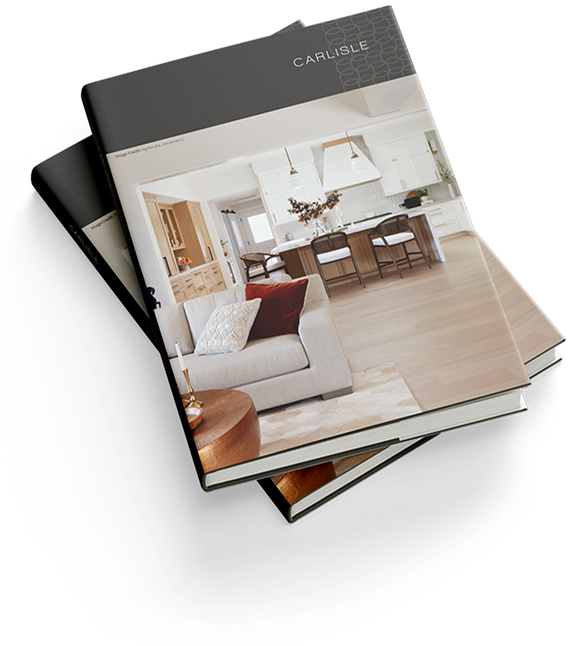
The Carlisle Residential Lookbook is filled with real projects, design inspiration, and ideas to guide your flooring journey. Download today and take the first step toward your own masterpiece.
By subscribing you agree to receive emails and marketing materials from Carlisle.