In luxury residential design, flooring decisions are rarely straightforward. While both custom and Prefinished wood flooring offer distinct advantages, the right choice depends on how the space is intended to be experienced and how much control the client wants over the final result.
For homeowners investing in luxury homeowner flooring, the decision is not simply about convenience or cost. It is about alignment between the floor, the architecture, and the overall vision of the home.
As expectations around craftsmanship and personalization continue to rise, personalized wood flooring has become increasingly central to high-end residential projects. At the same time, Prefinished options still play a role in certain scenarios, particularly when timelines are compressed.
Understanding the differences between these approaches helps homeowners, designers, and architects make decisions that support both design intent and long-term value.
Custom vs Prefinished Flooring: Understanding the Difference
At a basic level, the distinction lies in how and when the flooring is finished.
Custom (Site-Finished or Made-to-Order) Flooring
Custom flooring is designed specifically for a project. It allows for control over:
- Wood species
- Plank width and length
- Color and stain
- Texture and finish
This level of control ensures the floor aligns precisely with the architectural and interior design vision.
Prefinished Flooring
Prefinished flooring is manufactured with a factory-applied finish and delivered ready for installation.
It offers:
- Faster installation timelines
- Reduced on-site work
- Predictable finish consistency
However, Prefinished options typically provide less flexibility in terms of design customization.
When Customization Adds Real Value
In luxury homes, customization often defines the difference between a well-designed space and an exceptional one.
Personalized wood flooring becomes especially valuable when:
- The home features unique architectural elements
- Materials must be carefully coordinated across the interior
- Designers are working with a specific color palette
- The client is seeking a one-of-a-kind result
Interior designers frequently collaborate with flooring specialists to refine tones, textures, and finishes, so the floor integrates seamlessly with cabinetry, stone, and millwork.
For premium residential wood flooring, this level of customization ensures the floor enhances the overall design rather than limiting it.
Flexibility vs Speed: Choosing the Right Approach
One of the key trade-offs between custom and Prefinished flooring is flexibility versus speed.
Prefinished Flooring Advantages
- Faster installation
- Reduced construction time
- Simpler logistics
This can be beneficial in projects with tight timelines or where flooring is one of many standardized elements.
Custom Flooring Advantages
- Greater design control
- Ability to match exact tones and textures
- Alignment with architectural intent
In most luxury homeowner flooring projects, the added time required for customization is offset by the quality of the final result.
For homeowners building or renovating a long-term residence, customization is often the preferred approach.
Impact on Quality and Long-Term Performance
Quality in flooring is not only about how it looks on installation day, but also about how it performs over time.
Custom flooring allows for:
- Careful material selection
- Finishes tailored to the environment
- Textures designed for durability and wear
For premium residential wood flooring, these factors contribute to longevity. Floors that are designed specifically for a space tend to age more gracefully, developing character rather than showing wear.
Prefinished flooring, while consistent, may not offer the same level of adaptability to specific environmental conditions or design requirements.
Wide Plank Flooring and Custom Design
When working with wide plank flooring, customization becomes even more important.
Wider boards emphasize:
- Natural grain patterns
- Color variation
- Surface texture
Because of this, even small design decisions have a larger visual impact.
Custom processes allow architects and designers to refine these elements, ensuring the floor feels cohesive across large spaces. In open-plan homes, where flooring spans multiple areas, this level of control is essential.
The Role of Design Studio in Custom Flooring
Designing a custom floor can seem complex but with the right process, it becomes intuitive and collaborative.
Carlisle’s Design Studio provides a structured way for clients, architects, and interior designers to explore options and refine their selections.
Through this process, clients can:
- Compare species and grain characteristics
- Adjust color and finish to match surrounding materials
- Select textures that align with lifestyle and usage
- Define plank widths suited to the scale of the space
This collaborative approach ensures that personalized wood flooring is not overwhelming, it is guided and intentional.
For homeowners, this creates confidence that every detail has been considered.
Balancing Design Vision with Practical Considerations
While customization offers significant advantages, it must be balanced with practical considerations such as timeline, budget, and construction sequencing.
Architects and designers often evaluate:
- Project timelines and installation schedules
- Coordination with other trades
- Environmental conditions affecting flooring performance
In some cases, a hybrid approach may be used combining Prefinished elements in certain areas with custom flooring in key spaces.
However, in most luxury homeowner flooring projects, fully customized solutions provide the highest level of design integration and long-term satisfaction.
Working with Interior Designers and Architects
Custom flooring decisions are rarely made in isolation. Interior designers and architects play a critical role in shaping the outcome.
Designers often guide:
- Color selection in relation to furnishings and finishes
- Texture choices based on lifestyle and usage
- Material coordination across the home
This collaborative process ensures the flooring contributes to a cohesive interior rather than functioning as a standalone element.
For premium residential wood flooring, this alignment is essential to achieving a refined, well-resolved design.
Conclusion: Choosing What Fits the Vision
The choice between custom and Prefinished flooring ultimately comes down to priorities.
Prefinished flooring offers efficiency and predictability. Custom flooring offers precision, flexibility, and alignment with design intent.
For homeowners seeking a truly refined result, personalized wood flooring provides a level of control that transforms flooring from a material choice into a defining element of the home.
When paired with wide plank flooring and thoughtful design collaboration, it creates interiors that feel cohesive, intentional, and enduring.
For those investing in premium residential wood flooring, the decision is less about convenience and more about creating a space that reflects how the home is meant to be lived.
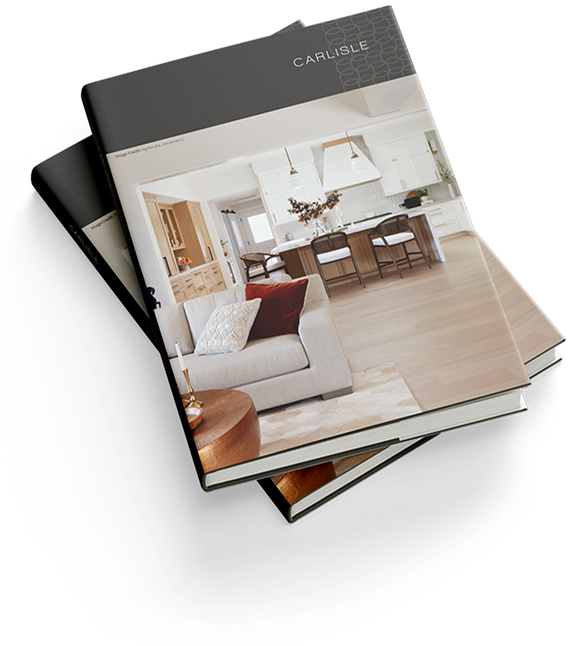
The Carlisle Residential Lookbook is filled with real projects, design inspiration, and ideas to guide your flooring journey. Download today and take the first step toward your own masterpiece.
By subscribing you agree to receive emails and marketing materials from Carlisle.