Quiet luxury has changed the way architects, interior designers, and discerning homeowners think about materials. The most refined interiors today are not defined by obvious statements or decorative excess. They are shaped by restraint, proportion, texture, and the quiet confidence of materials that do not need to announce their value.
In this design language, flooring becomes essential. It is the surface that connects every room, softens architecture, and creates the emotional tone of a space. For luxury homes, penthouses, private residences, and design led developments, luxury wide plank floors offer the kind of understated sophistication that feels both current and enduring.
This is why wide plank flooring continues to rise within the quiet luxury movement. Its scale reduces visual noise; its natural grain adds depth without ornamentation, and its handcrafted presence supports interiors that feel curated rather than decorated. For clients investing in premium residential wood flooring, the appeal is not simply beauty; it is permanence, authenticity, and design clarity.
Quiet Luxury in Interior Architecture
Quiet luxury is not minimalism in the cold or empty sense. It is a more considered approach to interiors one where materials are selected for their quality, feel, and longevity rather than their ability to attract attention.
In architect led homes, quiet luxury often appears through:
- Natural stone with subtle movement
- Plaster or limewashed walls
- Custom millwork with restrained detailing
- Soft metal finishes
- Natural wood floors with visible grain and texture
Within this palette, wide plank flooring acts as the grounding element. It introduces warmth without visual clutter, character without excess, and scale without heaviness.
Designers such as Thomas Pheasant are often associated with interiors that value balance, calm, and refined restraint. Studio McGee, while more approachable in tone, has also helped popularize the idea that natural materials, soft layering, and understated finishes can create spaces that feel elevated without feeling formal. Carlisle’s approach aligns naturally with this broader movement: luxury expressed through material integrity rather than surface drama.
Why Understated Materials Are Replacing Statement Finishes
For years, luxury interiors often relied on bold surfaces with high gloss floors, heavy contrast, dramatic stains, and ornate finishes. Those elements can still have a place, but today’s most sophisticated interiors are moving toward materials that age well and feel quietly intentional.
Understated materials are replacing statement finishes because they offer:
- Greater longevity
- More flexibility across evolving interiors
- A calmer visual experience
- Stronger connection to natural texture and craftsmanship
This is especially important in large homes and high-value residential projects, where materials must remain relevant long after trends shift. A highly stylized floor may impress immediately, but it can quickly feel dated. Natural premium residential wood flooring, by contrast, becomes part of the architecture.
Carlisle’s Our Floors page reflects this idea through its focus on floors crafted one at a time, with choices in species, plank width, texture, tone, and finish. That kind of design flexibility allows architects and designers to create floors that support the identity of the space rather than overpower it.
Natural Wood Tones and Restrained Elegance
Natural wood tones are central to quiet luxury because they offer warmth without excess. They create interiors that feel lived in, grounded, and connected to nature.
In high-end spaces, natural tones work especially well because they:
- Complement stone, plaster, linen, leather, and metal
- Allow architectural details to remain prominent
- Reflect light softly instead of sharply
- Adapt easily as furnishings and styling evolve
With luxury wide plank floors, natural tones become even more expressive. Wider boards reveal more of the tree’s original character, grain movement, subtle tonal variation, and natural depth. Instead of creating a repetitive pattern, the floor feels organic and composed.
This restrained elegance is often what separates a luxury interior from a decorated one. The floor does not need to dominate the room. It simply needs to feel inevitable.
The Role of Scale in Quiet Luxury
Scale is one of the most important reasons wide plank flooring works so well in quiet luxury interiors.
Narrow boards create more seams, which can make a room feel visually busy. Wider planks reduce those interruptions, allowing the floor to read as a calmer, more continuous surface. In large living rooms, open kitchens, primary suites, and expansive corridors, this continuity creates a sense of ease.
For architects and interior designers, this matters because quiet luxury depends on visual discipline. Every line, joint, and transition affects how the space is experienced.
Luxury wide plank floors support that discipline by:
- Reducing visual fragmentation
- Creating longer sightlines
- Enhancing the perception of space
- Allowing natural grain to become part of the architecture
This is particularly valuable in homes designed around open plan living, where the same flooring may continue through multiple zones.
Why Designers Prefer Subtle Texture Over Visual Excess
Texture has become one of the most important tools in luxury interiors. Instead of relying on shine or dramatic color, designers use texture to add depth, softness, and tactile interest.
For wood flooring, subtle texture can completely change how a room is experienced. A smooth surface may feel refined and contemporary, while a lightly brushed or hand-worked texture can soften the floor and reveal the natural grain. The key is restraint.
In quiet luxury interiors, texture should never feel forced. It should be discovered slowly through the way light moves across the floor, the way the grain catches the eye, and the way the surface feels underfoot.
This is where Carlisle’s handcrafted textures become especially relevant. As explored in Carlisle’s Footworn & Timeworn: Textures that Whisper Heritage, texture can bring a sense of history and character without making a floor feel rustic or overly aged. Similarly, Sheen Matters: How Matte, Satin, and Extra Matte Define the Room supports the idea that the choice of finish can change the entire mood of a space.
A matte or extra matte surface often works beautifully in quiet luxury interiors because it allows the wood itself to remain the focus. Rather than reflecting light sharply, the floor absorbs and softens it, creating a more intimate atmosphere.
Natural Floors as a Foundation for Layered Interiors
Quiet luxury is rarely about one material. It is about the relationship between materials.
A well-designed room may include limestone, brushed brass, linen upholstery, wool rugs, plaster walls, and custom cabinetry. In that setting, the floor must connect everything without competing with anything.
Wide plank flooring works as a foundation because it has enough presence to ground the space but enough restraint to let other materials breathe.
Interior designers often use natural wood floors to balance:
- Cool stone surfaces
- Crisp architectural lines
- Dark metal accents
- Soft textiles and neutral upholstery
- Custom cabinetry and built ins
The result is a layered interior that feels complete, not crowded.
Carlisle’s Design Studio is especially helpful for this kind of work because it allows clients and design teams to explore texture, tone, width, and structure together. In luxury projects, those decisions are rarely isolated. The floor must work with the full material palette.
How Luxury Wide Plank Floors Support Timeless Interiors
Timeless interiors are not created by avoiding personality. They are created by choosing materials with lasting relevance.
Luxury wide plank floors support timeless design because they are rooted in natural scale and craftsmanship. They do not depend on trend driven patterns or overly stylized finishes. Instead, they rely on proportion, grain, and material quality.
For clients investing in premium residential wood flooring, this matters. A luxury floor should continue to feel relevant as furniture changes, art evolves, and the home matures. The best wood floors do not freeze a space in one design moment; they allow it to grow.
This is one reason wide plank floors remain so effective in both modern and traditional interiors. In a contemporary residence, they soften clean architectural lines. In a classic home, they reinforce warmth and permanence. In a transitional space, they create continuity between old and new.
Quiet Luxury in Large Homes and Private Residences
In large residences, quiet luxury requires careful restraint. The scale of the home already creates impact; the materials must bring balance.
Natural wide plank flooring helps prevent large rooms from feeling cold or overly formal. It adds warmth to grand spaces while preserving openness. In great rooms, libraries, dining rooms, and primary suites, wide planks create a sense of calm that supports the architecture rather than competing with it.
For luxury homeowners, this creates a more livable form of elegance. The home feels elevated, but not untouchable. Refined, but not staged.
That balance is increasingly important in high-end design. Today’s luxury clients want homes that feel personal and beautifully layered, not showrooms.
Quiet Luxury for Designers and Specification Teams
For architects and interior designers, quiet luxury requires precision. Simple spaces are often the hardest to execute because every material decision becomes more visible.
When specifying premium residential wood flooring, design teams consider:
- Plank width and room scale
- Grain visibility
- Tone and undertone
- Texture and sheen
- Relationship to cabinetry, stone, and metal
Carlisle’s wide plank approach gives designers the ability to refine these details rather than settle for standard options. That flexibility is especially important when the design goal is restraint. The quieter the room, the more important the quality of each element becomes.
The Lasting Appeal of Natural Wide Plank Floors
The rise of quiet luxury reflects a larger shift in design thinking. Clients are becoming less interested in interiors that feel instantly recognizable and more interested in spaces that feel deeply considered.
Natural luxury wide plank floors fit this shift because they offer authenticity without excess. They bring texture, warmth, and scale into a space while allowing the architecture and furnishings to remain in harmony.
They also age beautifully. Over time, natural wood develops depth and character. Rather than losing relevance, it becomes more connected to the life of the home.
That is the true strength of wide plank flooring in quiet luxury interiors: it does not need to be replaced by the next trend. It already belongs.
Conclusion
Quiet luxury is not about doing less. It is about choosing better.
In luxury interiors, the most powerful materials are often the ones that feel effortless and enduring: natural stone, soft textiles, refined millwork, and beautifully crafted wood floors. Luxury wide plank floors bring these elements together with warmth, proportion, and quiet confidence.
For architects, interior designers, and homeowners investing in premium residential wood flooring, Carlisle’s approach to wide plank flooring offers a foundation for interiors that feel timeless rather than trend driven.
The result is luxury that does not shout. It settles in, matures, and endures.
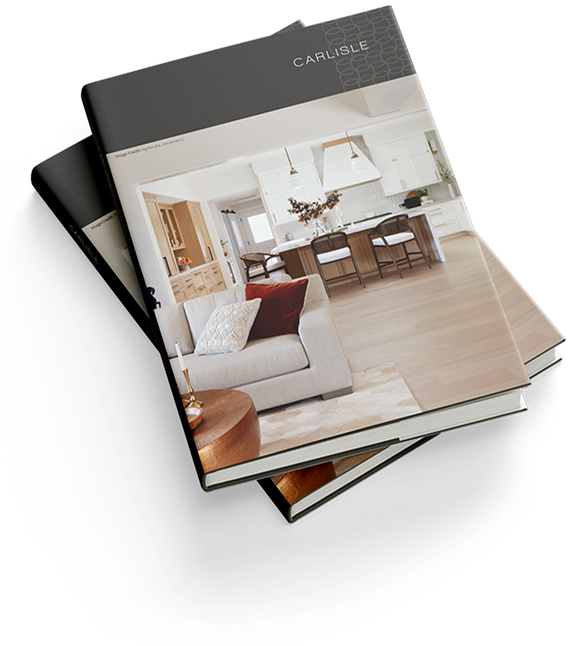
The Carlisle Residential Lookbook is filled with real projects, design inspiration, and ideas to guide your flooring journey. Download today and take the first step toward your own masterpiece.
By subscribing you agree to receive emails and marketing materials from Carlisle.