In luxury interiors, flooring is no longer treated as a background surface. It is becoming part of the design composition itself considered with the same care as furniture, lighting, millwork, stone, and art. For architects and interior designers, this shift reflects a broader movement toward intentional material design, where every surface has a role in shaping the atmosphere of a space.
The floor now does more than cover square footage. It defines proportion, supports circulation, anchors furniture arrangements, and influences how other materials are perceived. In high-end homes, apartments, and hospitality-inspired residences, wide-plank flooring has become one of the most important tools for creating interiors that feel cohesive, layered, and complete.
For clients investing in premium residential wood flooring, the goal is not simply to choose a beautiful floor. The goal is to create a material foundation that supports the entire interior identity. This is especially important in luxury apartment flooring, where the floor must bring warmth, consistency, and distinction across private residences, amenity spaces, and shared environments.
Floors Are Becoming Part of the Design Composition
In the past, flooring was often selected after major design decisions had already been made. Cabinetry, furniture, wall finishes, and lighting might be finalized first, with flooring treated as a supporting material.
That approach is changing.
Today, architects and interior designers increasingly consider flooring early in the design process because it affects almost every other decision. The tone of the wood influences cabinetry. The plank width affects scale. The texture changes how light moves across the room. The finish determines whether the space feels formal, relaxed, contemporary, or timeless.
In this sense, flooring functions much like furniture. It has proportion, texture, tone, and presence. A thoughtfully selected floor can quietly define the room before a single chair or table is placed.
Wide plank flooring is especially effective in this role because it has visual weight without feeling busy. Wider boards create a calmer foundation, allowing the rest of the interior composition to unfold with clarity.
Why Architects Are Designing Around Flooring Palettes
In architect led interiors, material palettes are rarely accidental. Wood, stone, plaster, metal, glass, and textiles are selected to work together as a complete system. Flooring often serves as the starting point because it covers the largest continuous surface in the home.
Architects may design around a flooring palette to determine:
- Cabinetry tone
- Stair detailing
- Wall paneling
- Ceiling beams
- Door and trim finishes
- Stone and metal pairings
When the floor is carefully selected early, the rest of the space can develop with greater consistency. This is particularly important in open plan layouts, where flooring may run continuously from entry to kitchen, living room, dining room, and private corridors.
For premium residential wood flooring, this level of planning creates a more refined result. The floor does not simply match the interior; it helps define it.
Carlisle explored a similar idea in Wood as a Canvas: How Walnut, Ash & Rift Sawn Oak Elevate Architecture, where wood is treated not only as a material, but as a design medium that shapes architectural expression.
The Influence of Contemporary American Design Firms
Contemporary American design has helped move flooring into a more central role. Studios known for layered, highly considered interiors often treat wood floors as part of the larger design story rather than a neutral background.
Firms such as Roman and Williams frequently demonstrate how wood, leather, metal, and stone can create interiors with atmosphere and depth. Olson Kundig’s architecture often highlights the relationship between structure, landscape, and natural materials. Ashe Leandro is known for interiors that feel refined, personal, and textural rather than overly polished.
The common thread is material intention.
In these kinds of spaces, flooring is not isolated. It works with furnishings, millwork, and architecture to create emotional weight. A table, sofa, wall finish, and floor all belong to the same visual conversation.
This is where wide plank flooring becomes so valuable. Its scale allows the wood to feel architectural, while its natural grain brings softness and warmth to the overall composition.
Integration with Furnishings
Furniture does not sit apart from the floor. It is experienced through the floor.
The tone and texture of wood flooring influence how furniture appears. A pale oak floor can make darker furniture feel sculptural. A richer wood tone can create a more enveloping, intimate atmosphere. A textured surface can soften the contrast between upholstered pieces, stone tables, and metal accents.
Interior designers often evaluate flooring alongside:
- Upholstery fabrics
- Rug selections
- Dining tables
- Lounge seating
- Case goods
- Built in furniture
For premium residential wood flooring, this coordination is essential. A floor with too much contrast may compete with furniture. A floor with too little depth may make the room feel flat. The best floors support furnishings without disappearing entirely.
In luxury interiors, that balance is everything.
Integration with Millwork and Built Ins
Millwork is one of the clearest places where flooring must be carefully coordinated. Cabinetry, wall paneling, libraries, closets, and built ins all interact directly with the floor.
If the tones are too close but not intentional, the result can feel mismatched. If they contrast too sharply, the room may feel divided. Successful interiors usually rely on either a thoughtful tonal relationship or a deliberate contrast.
Designers may choose to:
- Pair lighter floors with deeper cabinetry
- Use similar undertones across wood surfaces
- Contrast smooth millwork with textured floors
- Let the floor provide warmth beneath painted built ins
Wide plank flooring helps this coordination feel more refined because it reduces the visual busyness of the floor plane. With fewer seams, the wood reads as a continuous material, allowing millwork details to stand out with greater clarity.
This is particularly important in luxury homes where built-ins are custom-designed and meant to feel integrated into the architecture.
Why Flooring Now Drives Interior Identity
In many luxury interiors, flooring is one of the first things people feel, even before they consciously notice it. It affects how open the room feels, how warm the atmosphere becomes, and how cohesive the home appears from one space to another.
Because flooring is so permanent, it often carries more design responsibility than furniture. Furniture can change. Art can rotate. Decorative styling can evolve. But the floor remains the foundation.
For this reason, premium residential wood flooring now plays a major role in defining interior identity.
A home with natural wide planks feels different from one with narrow, high gloss boards. A textured matte floor creates a different atmosphere than a smooth formal finish. A warm character rich floor tells a different story than a clean, linear, architectural one.
The floor becomes part of the home’s personality.
Flooring as Furniture in Luxury Apartments
In luxury apartment flooring, intentional material design is especially important. Apartments and condominiums often have open layouts where the flooring must do much of the visual work. It connects living, dining, kitchen, and circulation areas while making the residence feel larger and more finished.
Developers and designers increasingly recognize that flooring can help distinguish a luxury apartment from a standard high-end unit. When the floor feels custom, warm, and architecturally aligned, the entire residence feels more valuable.
In shared spaces such as lobbies, lounges, private dining rooms, and amenity areas, flooring also contributes to brand identity. It helps the building feel more like a curated residence or boutique hospitality environment rather than a generic multi-unit property.
That is why wide plank flooring is so often used in these settings. It creates scale, reduces seams, and gives even compact spaces a more expansive feeling.
The Role of Texture in Material Design
Texture is one of the reasons flooring now feels closer to furniture. A handcrafted table, a woven textile, or a stone surface all have tactile qualities. Flooring should be considered with the same sensitivity.
Texture affects:
- How light reflects across the room
- How the floor feels underfoot
- How formal or relaxed the space appears
- How well the surface handles everyday living
A subtle brushed or hand-worked texture can give wood flooring depth without making the room feel rustic. A matte finish can soften the entire interior. These choices are especially effective when paired with natural fabrics, plaster walls, brushed metals, and custom millwork.
For premium residential wood flooring, texture is not decoration. It is part of the material language.
Carlisle’s Footworn & Timeworn: Textures that Whisper Heritage and Sheen Matters: How Matte, Satin, and Extra Matte Define the Room are natural supporting resources for this topic, as both explore how surface quality changes the emotional character of a room.
Plank Width and Furniture Scale
Furniture scale and flooring scale must work together. A grand sectional, oversized dining table, or sculptural bed can feel disconnected if the flooring beneath it feels too narrow or repetitive.
Wide plank flooring brings the floor into proportion with luxury furnishings. Wider boards create a sense of scale that supports larger furniture pieces without visual competition.
This is especially important in:
- Great rooms
- Primary suites
- Open kitchens
- Dining rooms
- Penthouses
- Large format apartments
In these spaces, the floor must feel substantial enough to hold the room. Wide plank flooring does that naturally, making the interior feel composed rather than overfilled.
Designing Around a Floor, Not After It
The most successful luxury interiors often begin with material direction. Instead of selecting flooring after everything else, architects and designers use the floor to establish the tone of the home.
A design team may begin by asking:
- Should the home feel calm or dramatic?
- Should the floor add texture or remain quiet?
- Should the grain be expressive or refined?
- Should the flooring contrast with millwork or blend with it?
- Should the surface feel formal, relaxed, or heritage inspired?
Carlisle’s Design Studio supports this kind of process by helping clients and design professionals refine species, width, grade, texture, color, and finish together. That level of customization allows the floor to become part of the design concept rather than a late stage selection.
For clients seeking premium residential wood flooring, this collaborative approach creates a more personal and architecturally aligned result.
Material Intentionality as Modern Luxury
Modern luxury is increasingly defined by intention. The question is no longer simply, “Is this material expensive?” The better question is, “Does this material belong?”
Flooring that belongs to a space feels connected to the architecture, the furniture, the lighting, and the way the home is lived in. It supports the overall design without calling unnecessary attention to itself.
That is why wide plank flooring has become such a strong choice for luxury interiors. It offers presence without noise, texture without excess, and natural beauty without trend dependence.
In both homes and luxury apartment flooring, this intentionality creates interiors that feel more complete.
Conclusion
Flooring has become more than a surface beneath furniture. It is now part of the furniture conversation itself considered for its scale, tone, texture, and relationship to every other material in the room.
For architects, interior designers, developers, and homeowners, premium residential wood flooring offers a foundation for more intentional interiors. Wide plank flooring strengthens that foundation by creating visual clarity, architectural scale, and natural warmth.
In luxury apartment flooring and private residences alike, the floor increasingly drives interior identity. It sets the tone before anything else enters the room and when chosen with care, it makes every other design decision feel more resolved.
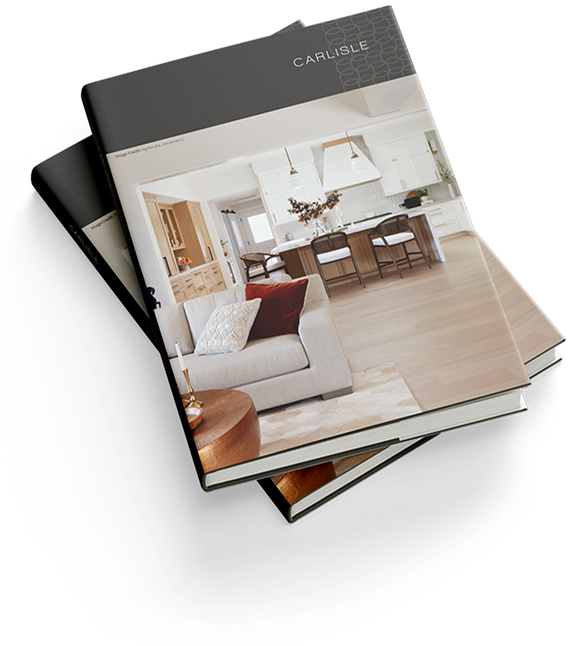
The Carlisle Residential Lookbook is filled with real projects, design inspiration, and ideas to guide your flooring journey. Download today and take the first step toward your own masterpiece.
By subscribing you agree to receive emails and marketing materials from Carlisle.