For years, luxury interiors were often associated with flawlessness: perfectly matched surfaces, highly controlled finishes, identical boards, polished details, and rooms designed to look untouched. But the language of luxury has changed. Today’s most compelling interiors are not defined by perfection alone. They are defined by depth, character, and quiet evidence of natural materials.
This shift is especially visible in flooring. Architects and interior designers are increasingly moving away from overly uniform surfaces in favor of wood floors that show grain movement, tonal variation, and organic character. For clients investing in premium residential wood flooring, these details are no longer viewed as imperfections. They are part of what makes a floor feel authentic, elevated, and deeply personal.
In this context, wide plank flooring has become especially relevant. Wider boards reveal more of the tree’s natural story about its grain, texture, mineral marks, and subtle shifts in tone. For luxury homeowners seeking interiors that feel refined but not sterile, natural variation brings warmth and individuality that manufactured uniformity cannot replicate.
Natural Variation as a New Marker of Luxury
Luxury design has always evolved with culture. At one time, uniformity suggested control, precision, and expense. Today, the most sophisticated interiors often embrace a more nuanced idea of beauty, one that allows natural materials to show their origin.
Natural variation in wood flooring can appear through:
- Grain movement
- Subtle color shifts
- Mineral streaks
- Knots or character marks
- Texture differences from board to board
Rather than distracting from a room, these variations add depth. They prevent a floor from feeling flat or overly processed.
This is one reason premium residential wood flooring continues to resonate in high end interiors. Real wood brings complexity. It changes with light. It softens hard architectural lines. It gives a room a sense of life.
In luxury homes, that sense of life matters.
Why Perfect Uniformity Can Feel Less Personal
Perfectly uniform interiors may photograph cleanly, but they can sometimes feel emotionally distant. When every surface is overly controlled, a room can lose the subtle irregularities that make it feel human.
Interior designers understand this instinctively. A room needs contrast, texture, and natural rhythm. Without those qualities, even expensive materials can feel cold.
Wide plank flooring helps solve this by introducing variation at an architectural scale. Because the boards are wider and often longer, each plank has more presence. The grain has space to move. The color has room to shift. The material feels less repetitive and more connected to nature.
For luxury homeowner flooring, this creates a more personal environment. The floor does not look like it could belong anywhere. It feels specific to the home.
Character Marks and the Beauty of the Real
Character marks in wood are often misunderstood. In lower-quality flooring, inconsistency can feel out of control. But in carefully selected luxury flooring, the character is curated.
A knot, mineral streak, or tonal shift can add richness when it is balanced across the floor. The difference lies in selection, grading, and craftsmanship.
Carlisle explores this idea in Luxury in Every Grade: Understanding Heirloom, Signature, and Original, where grade is not treated as a hierarchy of good versus bad, but as a way to define the personality of a floor. A cleaner grade may suit a formal city residence, while a more character rich grade may bring warmth to a mountain home, coastal retreat, or relaxed estate.
This approach allows designers to use natural variation intentionally. The floor becomes expressive, but not chaotic. Refined, but not lifeless.
Grain Movement: The Quiet Drama of Wood
One of the most compelling qualities of wood is grain movement. Unlike synthetic surfaces or heavily processed materials, wood has direction, rhythm, and subtle irregularity.
In wide plank flooring, grain movement becomes especially visible. Wider boards allow the natural figure of the wood to unfold across the surface, creating a floor that feels expansive and organic.
This matters in luxury interiors because grain movement can influence how a room feels:
- Straight grain creates calm and order
- More expressive grain adds warmth and personality
- Subtle movement softens minimalist architecture
- Natural variation reduces the need for excessive decoration
Designers often rely on this kind of material interest to keep interiors from feeling overly designed. The floor itself provides depth, so the room does not need to be filled with unnecessary detail.
Tonal Depth Over Flat Color
Another reason designers are moving away from uniformity is the desire for tonal depth.
Flat, single-note color can make a floor feel artificial. Natural wood, by contrast, carries subtle shifts within the same palette. One board may appear slightly warmer, another slightly deeper, another more neutral. Together, those shifts add richness and dimension.
For premium residential wood flooring, tonal depth is one of the qualities that makes the material feel luxurious. It allows the floor to interact with natural light throughout the day. Morning light, afternoon shadows, and evening interior lighting all reveal different aspects of the surface.
This is especially important in luxury residences where large windows, open floor plans, and layered materials make light a major part of the design.
The Wabi Sabi Influence in American Luxury Design
The growing acceptance of natural variation also reflects the influence of wabi-sabi: the appreciation of imperfection, impermanence, and authenticity. While rooted in Japanese aesthetics, this philosophy has found a place in American luxury design through a broader interest in natural materials, handmade surfaces, and interiors that feel collected over time.
In American homes, this does not mean unfinished or rustic. It means refined spaces that allow materials to retain their soul.
A stone surface may show veining. A plaster wall may show subtle movement. A wood floor may reveal grain, texture, and character.
This approach is increasingly seen in architect designed homes and interiors where luxury is expressed through restraint rather than polish. In that setting, wide plank flooring becomes a natural fit. It offers simplicity in format, but richness in material.
Designer Perspectives: Brigette Romanek and Ashe Leandro
Designers such as Brigette Romanek and the studio Ashe Leandro are often associated with interiors that feel layered, warm, and personal rather than overly staged. Their work reflects a broader movement in American luxury design: spaces that combine sophistication with ease.
The lesson is not to imitate a specific designer’s style. It is to understand the design principle behind it.
Luxury interiors feel more elevated when they include contrast between refinement and natural character. A room may include clean-lined furniture, sculptural lighting, and tailored upholstery, but the presence of real wood, textured surfaces, and subtle irregularity prevents the space from feeling too perfect.
For luxury homeowner flooring, this is especially valuable. Homeowners want spaces that are beautiful, but also livable. Natural variation helps create that balance.
Why Authentic Materials Feel More Elevated
Authentic materials carry qualities that manufactured alternatives often lack. They have depth, variation, and a sense of origin.
Wood flooring is especially powerful because it is both visually and tactilely engaging. It is seen across the room and felt underfoot. It influences the atmosphere, acoustics, warmth, and movement.
When designers specify premium residential wood flooring, they are not simply selecting a surface. They are choosing a material that will participate in the life of the home.
Authentic wood floors feel elevated because they:
- Age with character
- Reflect natural light differently throughout the day
- Pair beautifully with stone, metal, plaster, and textiles
- Offer subtle variation without visual excess
- Create a sense of permanence
Uniformity may feel controlled, but authenticity feels lasting.
The Role of Grading in Achieving the Right Balance
Natural variation must be handled carefully. Too little can feel sterile. Too much can feel visually busy. The right balance depends on the architecture, interior style, and client preference.
This is where grading becomes essential.
A refined grading approach allows designers to choose how much character the floor should reveal. In a formal residence, a quieter grade may support elegance. In a relaxed, luxurious home, more visible character can create warmth and individuality.
Carlisle’s Our Floors and Design Studio resources support this level of customization, allowing architects, interior designers, and homeowners to make decisions around grade, width, color, texture, and finish together.
For wide plank flooring, this kind of control is especially important because each board has a greater visual impact. The goal is not visual inconsistency. The goal is intentional character.
Natural Variation in Modern and Traditional Homes
One of the strengths of natural wood variation is its versatility.
In modern interiors, character rich flooring can soften clean architectural lines. It brings warmth to glass, steel, stone, and minimal cabinetry.
In traditional interiors, variation reinforces a sense of heritage and permanence. It makes the home feel established rather than newly assembled.
In transitional interiors, natural variation helps bridge old and new. It allows contemporary furniture and classic architectural details to exist comfortably together.
This flexibility is one reason luxury homeowner flooring increasingly favors natural character over perfect uniformity. A floor with depth can adapt as the home evolves.
Why Wide Planks Make Variation Feel More Sophisticated
Variation can feel busy when it is broken into too many small pieces. Narrow boards may create more seams and more frequent shifts, which can make a floor feel visually active.
Wide plank flooring changes the experience.
Because each board is broader, the natural variation has room to unfold. Grain patterns feel more graceful. Tonal shifts feel more gradual. Character marks feel intentional rather than scattered.
This is why wide planks are so effective in high-end interiors. They allow the authentic character of wood to appear on a scale that feels architectural rather than decorative.
For homeowners investing in premium residential wood flooring, this creates a floor that feels custom, calm, and substantial.
A More Livable Form of Luxury
The move away from perfect uniformity is also a move toward more livable luxury.
Homes are not showrooms. They are places where people gather, rest, entertain, and build routines. Materials that are too pristine can make a home feel fragile. Natural materials, by contrast, often become more beautiful with use.
Wood floors with grain, texture, and tonal depth tend to age with grace. They can absorb the story of a home without losing refinement.
That is part of what makes luxury homeowner flooring so meaningful. The floor is not simply installed and admired. It becomes part of daily life.
Conclusion
Designers are moving away from perfectly uniform interiors because true luxury now values character, authenticity, and emotional warmth. Natural variation is no longer something to hide. When selected and crafted thoughtfully, it becomes one of the most powerful ways to make a space feel personal and elevated.
Premium residential wood flooring supports this shift by bringing grain movement, tonal depth, and natural character into the home. Wide plank flooring enhances these qualities by giving the wood room to express itself at an architectural scale.
For clients seeking luxury homeowner flooring, the most beautiful floors are not always the most perfect. They are the ones that feel real, refined, and deeply connected to the life of the home.
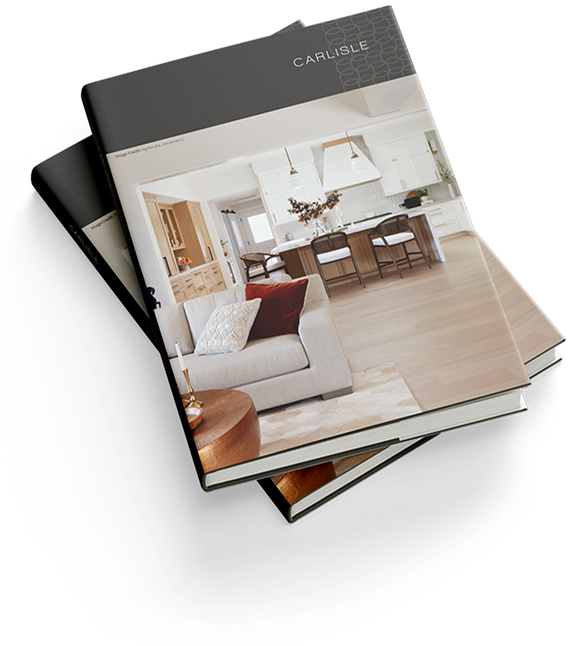
The Carlisle Residential Lookbook is filled with real projects, design inspiration, and ideas to guide your flooring journey. Download today and take the first step toward your own masterpiece.
By subscribing you agree to receive emails and marketing materials from Carlisle.