In luxury architecture, flooring is not a finishing detail; it is a foundational decision that influences how a space performs, feels, and endures over time. For architects working on high-end residences and large-scale developments, specifying wood flooring requires more than selecting a material that looks right. It demands a clear understanding of structure, environment, and long-term performance.
Whether designing a private estate or a multi-unit luxury residential development, flooring must align with architectural intent while meeting the realities of construction and daily use. This is particularly true when working with wide plank flooring, where scale and material behavior must be carefully considered.
This guide outlines the key factors architects evaluate when specifying premium residential wood flooring, ensuring that design decisions translate into successful, lasting outcomes.
What Architects Must Evaluate Beyond Aesthetics
Aesthetic alignment is only the starting point. While species, tone, and grain define the visual direction of a project, they do not determine how the floor will perform once installed.
Architects must evaluate:
- Environmental conditions (humidity, temperature variation)
- Structural constraints (subfloor type, building systems)
- Installation methods and sequencing
- Long-term wear and maintenance expectations
In a luxury residential development, these considerations are amplified. Flooring must perform consistently across multiple units, each with potentially different exposures and usage patterns.
This is why specification goes beyond selecting wide plank flooring; it involves aligning material behavior with real-world conditions.
Subfloor, Humidity, and Radiant Heat Considerations
Environmental factors are among the most critical elements in wood flooring specifications.
Subfloor Conditions
The type and condition of the subfloor directly influence installation success. Concrete slabs, plywood systems, and mixed construction methods each require specific approaches to ensure stability.
Architects must account for:
- Moisture levels in the subfloor
- Flatness and structural integrity
- Compatibility with installation systems
Humidity and Climate
Wood is a natural material that responds to its environment. Changes in humidity can cause expansion and contraction, which becomes more pronounced in wider boards.
For premium residential wood flooring, maintaining controlled indoor humidity is essential. In large developments, where conditions may vary across units, this becomes a key specification factor.
Radiant Heat Systems
Radiant heating is increasingly common in luxury homes and apartments. While it enhances comfort, it introduces temperature fluctuations that affect wood flooring performance.
In these cases, engineered construction is often specified due to its enhanced dimensional stability. When using wide plank flooring over radiant heat, proper product selection and installation guidelines are critical to avoiding movement issues over time.
Solid vs. Engineered: Making the Right Choice
Choosing between a solid or engineered structure is one of the most important decisions in flooring specification.
Solid Wood Flooring
Solid planks are milled from a single piece of hardwood. They offer:
- Traditional construction
- The ability to be refinished multiple times
- A sense of permanence in stable environments
However, in wide plank formats, solid wood is more susceptible to environmental movement.
Engineered Wood Flooring
Engineered planks are constructed with a hardwood wear layer over a stable core. This design improves resistance to changes in temperature and humidity.
Engineered construction is often preferred for:
- Radiant heat applications
- High-rise buildings
- Coastal or variable climates
- Large-scale luxury residential development projects
For architects, the decision is not about preference; it is about performance. Working with a trusted luxury wood flooring manufacturer ensures the right construction is specified for each environment.
Finish and Texture: Performance Meets Design
Finish and texture choices impact both aesthetics and long-term usability.
Finish Selection
Matte and low-sheen finishes are commonly specified in luxury projects because they:
- Reduce glare in large, light-filled spaces
- Highlight natural wood grain
- Age more gracefully than high-gloss finishes
For premium residential wood flooring, finishes must also provide durability to protect the surface while maintaining a natural appearance.
Texture Selection
Texture influences how the floor interacts with light and wear.
Common options include:
- Wire-brushed surfaces for subtle grain definition
- Hand-worked textures for depth and character
- Smooth finishes for a refined, contemporary look
In architect-designed interiors, texture is often selected in collaboration with interior designers to ensure alignment with overall material palettes.
Working with a Luxury Wood Flooring Manufacturer
Specification is only as strong as the partner behind it.
A luxury wood flooring manufacturer provides more than material they offer guidance, consistency, and support throughout the project lifecycle.
Architects benefit from:
- Expertise in plank construction and performance
- Assistance with environmental and structural considerations
- Consistent quality across large orders
- Coordination with builders and installers
In complex projects, this collaboration reduces risk and ensures that flooring performs as intended from installation through long-term use.
Avoiding Costly Specification Errors
Even well-designed projects can encounter issues if flooring is not properly specified.
Common mistakes include:
- Selecting plank widths that are not suited to the environment
- Ignoring humidity control requirements
- Using solid wood in conditions better suited for engineered construction
- Overlooking subfloor preparation
These errors can lead to:
- Movement or instability
- Visible gaps or cupping
- Increased maintenance costs
For architects, avoiding these issues starts with aligning specification decisions with real-world conditions not just design intent.
Balancing Design Intent with Real-World Performance
Luxury architecture demands precision. Every material must serve both aesthetic and functional purposes.
With wide plank flooring, this balance becomes especially important. The visual impact of wide boards must be supported by construction methods that ensure stability and durability.
For projects requiring premium residential wood flooring, successful specification depends on understanding how materials behave over time and making decisions accordingly.
Conclusion: Specification as a Design Discipline
Specifying wood flooring for luxury projects is not a checklist; it is a design discipline.
From environmental conditions to construction methods, every decision influences how the floor will perform and how the space will be experienced. For architects working on luxury residential development projects, this level of detail is essential.
By carefully evaluating materials, collaborating with a trusted luxury wood flooring manufacturer, and aligning design intent with performance requirements, architects can ensure that flooring enhances the project not just at completion but for years to come.
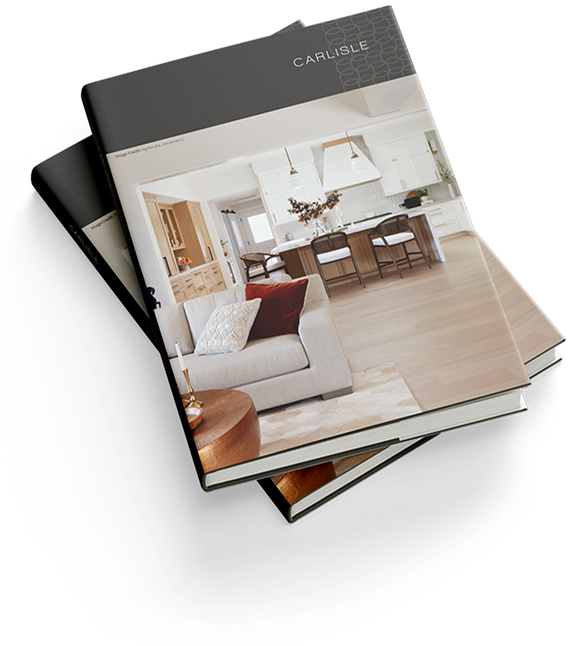
The Carlisle Residential Lookbook is filled with real projects, design inspiration, and ideas to guide your flooring journey. Download today and take the first step toward your own masterpiece.
By subscribing you agree to receive emails and marketing materials from Carlisle.