Solid vs. Engineered Wide Plank Flooring: Choosing the Perfect Carlisle Plank for Luxury Homes
Selecting hardwood flooring for a luxury residence goes far beyond choosing a color or finish. It begins with understanding the source of the wood itself the species, the origin, and the craftsmanship behind each plank, all of which define the character and performance of the final floor. (This foundational step is explored more deeply in Carlisle’s article on selecting the right wood species.)
Once the right material is chosen, discerning homeowners, architects, and interior designers often face the next critical decision: choosing between solid vs engineered wood flooring, a distinction that influences long-term performance, longevity, and environmental stability.
With Carlisle, the choice becomes even more meaningful, as each plank, whether solid or engineered, is crafted with an artisanal approach that honors the natural beauty of hardwood. Carlisle’s commitment to craftsmanship, customization, and technical excellence ensures that every floor becomes a long-term investment in style and structural integrity.
This guide provides a clear, authoritative comparison of engineered vs solid wide plank floors, based entirely on Carlisle’s internal technical criteria.
Designed for luxury homeowners, it highlights how to select the ideal plank for your environment and lifestyle.
Understanding Construction & Appearance
At first glance, it’s nearly impossible to distinguish a Carlisle solid plank from a Carlisle engineered plank and that is entirely intentional. Both product types are manufactured with a similar usable hardwood wear layer, providing exceptional durability, customizable finishes, and the same luxurious visual impact.
Solid Planks: Built from a Single Hardwood Piece
Carlisle solid planks are cut from one continuous piece of premium hardwood. This purity of material offers unmatched authenticity and an unmistakable sense of old-world craftsmanship. The grain structure, density, and natural character are preserved throughout the full thickness of the board.
Engineered Planks: Cross Ply Stability Beneath a Thick Wear Layer
Carlisle engineered floors are built for exceptional stability, beginning with the same premium, thick hardwood wear layer found on our solid planks. Beneath that surface, each engineered board is constructed using an advanced multi-layer cross-ply structure typically 11 layers meticulously bonded for maximum strength and minimal movement.
This elevated construction standard provides superior resistance to moisture-driven expansion and contraction, offering performance that far exceeds conventional engineered flooring methods. The result is a plank that maintains its shape, beauty, and reliability even in environments with fluctuating humidity.
Because both planks share the same hardwood surface, their installed appearance is identical, a hallmark of Carlisle’s meticulous engineering and design refinement.
Moisture Stability: How Each Plank Reacts to the Environment
Environmental stability is one of the most important considerations in a luxury plank flooring comparison. Hardwood is affected by humidity, and its behavior changes depending on whether the plank is solid or engineered.
Engineered Flooring: Designed for Stability
Engineered Carlisle planks experience minimal movement across the width of the board because of the way they are built. At the core of each plank is a series of thin hardwood layers stacked in alternating directions a construction method known as cross-plying. By turning each layer so its wood grain runs perpendicular to the one above and below it, the board gains remarkable strength and balance.
This alternating pattern counteracts the natural tendency of wood to expand or contract in a single direction when exposed to changes in humidity. Instead of shifting noticeably, the forces inside the plank effectively “cancel each other out,” allowing the floor to remain flatter, more stable, and more predictable throughout the year.
For luxury homes with large windows, radiant heat, coastal exposure, or seasonal climate swings, this engineered structure delivers a level of reliability that traditional solid wood simply cannot match while still offering the same authentic hardwood surface.
Solid Flooring: Natural Movement and Character
Solid planks expand and contract more dramatically with changes in humidity as there are fewer layers anchoring a board and restricting its movement. This “movement” is a natural characteristic of traditional hardwood flooring. While it can be part of the floor’s charm, it requires a controlled indoor climate to maintain a consistent appearance.
In luxury homes, especially those with large windows, waterfront exposures, or multistate seasonal living, understanding humidity behavior is essential for choosing the right product.
Impact of Humidity Extremes
Carlisle’s technical analysis offers clear guidance about how each flooring type behaves in extreme humidity conditions.
Below 30% RH: Dry Climates Favor Solid Wood
When indoor relative humidity falls below 30%, engineered flooring becomes more susceptible to veneer stress fractures, also known as face splits. These can lead to permanent cosmetic changes.
Solid hardwood floors, however:
- may develop slight seasonal gaps,
- remain structurally sound, and
- return to normal appearance when humidity increases.
For homes in desert climates, high altitude regions, or residences that experience significant winter dryness, solid hardwood is the more resilient option.
Above 50% RH: Engineered Wood Performs Superiorly
In environments where humidity exceeds 50%, whether due to seasonal changes, oceanside moisture, or naturally humid climates, engineered planks are the clear winner. Their cross plied construction minimizes:
- swelling,
- cupping,
- compression at seams,
- moisture related warping.
Solid wood, by comparison, will react more strongly, which can lead to cupping or buckling if humidity levels remain excessive for extended periods.
For luxury residences in the Southeast, coastal regions, or spa inspired interiors with elevated humidity, engineered flooring delivers exceptional performance with fewer long-termlong-term risks.
Installation Considerations: Matching Your Floor to Your Home
While both Carlisle flooring types achieve outstanding results when installed in spaces with stable humidity, each excels in different environments.
Engineered Flooring: Flexible and Adaptable
Engineered wide plank flooring is the preferred choice for:
- lower-level living spaces
- homes with radiant heating
- high moisture regions
- spaces with significant seasonal humidity changes
- ultra-wide plank installations
The reduced movement of engineered flooring allows for reliable performance even in challenging architectural layouts.
Solid Flooring: Ideal for Dry but Stable Interiors
Solid wide plank floors thrive in:
- historic estates
- mountain retreats with controlled humidity
- legacy homes designed for generational longevity
- interiors where refinishing flexibility is essential
With proper acclimation and consistent indoor RH levels, solid flooring maintains unmatched authenticity and strength.
Longevity & Refinement: Understanding Long Term Performance
Luxury homeowners often prioritize durability and long-term maintenance flexibility, especially in large estates, multi-generational residences, and legacy projects.
Solid Hardwood: Unmatched Refinishing Potential
Because solid planks are milled from one complete piece of hardwood, they can be refinished multiple times over decades. This makes them ideal for properties aiming for long-term restoration or design evolution.
Engineered Hardwood: Stability Meets Sophistication
Engineered planks retain their high-end appearance while offering:
- better performance in moisture variable environments
- reduced seasonal movement
- suitability for wider planks
- excellent stability over radiant heat
While engineered flooring can be refinished fewer times than solid, Carlisle’s thick wear layer still allows for extended longevity compared to traditional engineered products.
Decision Guidance: Choosing the Perfect Carlisle Plank
Luxury homes demand flooring that aligns with architecture, climate, and lifestyle. Here is a simplified guide based on Carlisle’s technical expertise:
Choose Carlisle Engineered Flooring If You Want:
✔ Superior moisture resistance
✔ Performance in coastal or humid climates
✔ Beautiful wide plank formats with minimal movement
✔ Flooring for basements or radiant heat installations
✔ A stable option for hospitality or commercial luxury spaces
Choose Carlisle Solid Flooring If You Want:
✔ The most traditional and authentic hardwood structure
✔ Maximum refinishing flexibility for generational homes
✔ Ideal performance in dry but stable humidity environments
✔ A timeless floor that matures beautifully over decades
Both options deliver unmistakable Carlisle craftsmanship. Both elevate luxury interiors. The right choice simply depends on the unique conditions of your home and your design vision.
Final Thoughts: A Luxury Investment That Deserves Precision
Choosing between solid vs engineered wide plank flooring is an important decision for luxury homeowners and designers. With Carlisle’s technical expertise and premium materials, each option delivers exceptional beauty, but the best choice depends on understanding your environment.
By aligning your flooring selection with humidity behavior, installation conditions, and long-term goals, you ensure your Carlisle floor will perform flawlessly and remain visually stunning for decades.
Whether you’re creating a modern coastal estate, a historic renovation, or an architecturally bold residence, Carlisle provides the craftsmanship and guidance needed to make the right investment in luxury hardwood flooring.
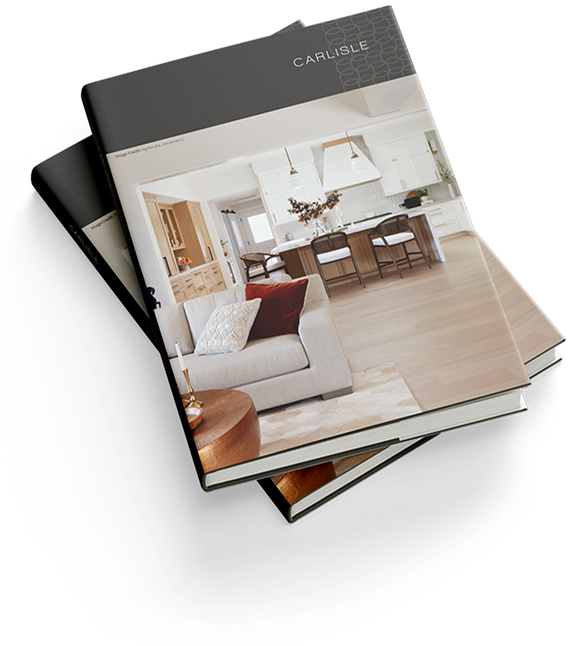
The Carlisle Residential Lookbook is filled with real projects, design inspiration, and ideas to guide your flooring journey. Download today and take the first step toward your own masterpiece.
By subscribing you agree to receive emails and marketing materials from Carlisle.