Humidity Management in Commercial Spaces: Protecting Carlisle Wide Plank Floors in Boutique Hotels and Showrooms
In the world of high-end design, where materials are carefully selected and every detail contributes to the guest experience, hardwood floors hold a uniquely influential role. Their warmth, natural aesthetic, and timeless appeal shape the first impression of any space from a boutique hotel lobby welcoming discerning travelers to a curated showroom that showcases craftsmanship and elevated living. Yet even the most premium hardwood floors demand intentional stewardship, especially in commercial interiors where environmental conditions shift rapidly.
For facility managers, architects, and hospitality designers across the United States, understanding how humidity affects hardwood flooring is not just a matter of maintenance it’s part of delivering an exceptional experience with longevity.
Carlisle, known for crafting some of the finest wide plank flooring available, provides insight into how environmental stability ensures their floors remain stunning, stable, and reliable for years to come. This is commercial hardwood floor maintenance done at a luxury standard.
This guide brings together real-world conditions, expert best practices, and practical strategies to help decision makers implement humidity management programs that preserve the beauty and structural integrity of Carlisle hardwood flooring.
Why Humidity Control Matters in Commercial Environments
Commercial interiors such as boutique hotels, showrooms, and galleries present environmental challenges that differ significantly from residential settings. Hardwood floors in these spaces must withstand not just daily traffic, but continuous shifts in air quality, moisture, and temperature.
Several factors make humidity management essential:
- Frequent door openings introduce outdoor air that can dramatically raise or lower humidity levels.
- High guest or visitor traffic increases moisture carried in from outside, as well as fluctuating heat loads.
- Powerful gallery or showroom lighting generates heat that can dry out localized areas of flooring.
- Varied microclimates hallways, vestibules, kitchens, and open lobbies all behave differently.
- Mechanical system cycles turn on and off, creating temperature and humidity swings.
In an ultra-luxury environment where visual perfection is expected, these fluctuations can accelerate wood movement and create visible issues such as gapping, cupping, edge lifts, light buckling, premature wear, and finish stress lines.
None of these outcomes are acceptable in a premium hospitality or retail context, where flooring is both a functional surface and an integral part of a brand story.
By understanding the variables that influence humidity, facility teams can proactively maintain a stable environment that protects their Carlisle wide plank hardwood floors and keeps them looking impeccable year-round.
Establishing the Optimal Humidity Balance
Hardwood flooring performs best when indoor environments maintain a moderate, stable relative humidity (RH) range. In commercial settings, achieving that balance becomes more challenging but also more essential.
Why consistency matters
Wood expands as it absorbs moisture and contracts as it releases it. In commercial spaces, these changes can be amplified by architecture and environmental exposure. A small shift in RH can affect hundreds or even thousands of square feet of flooring at once.
To prevent shrinkage, swelling, cupping, edge compression, structural stress lines… spaces should maintain a steady humidity target, supported by environmental monitoring and system wide coordination.
What “stable humidity” looks like in practice
For commercial spaces in the U.S., a well-managed building may employ:
- whole building dehumidification during humid months
- humidification control to counteract winter dryness
- automated HVAC zoning to maintain uniform conditions across large areas
- 24/7 sensors to monitor temperature and RH in real time
- regular HVAC maintenance cycles to ensure consistent system output
When RH swings are minimized, commercial hardwood flooring remains dimensionally stable, visually pristine, and free from the common issues that plague improperly maintained hardwood in commercial interiors.
Whole Building Solutions That Protect Wide Plank Floors
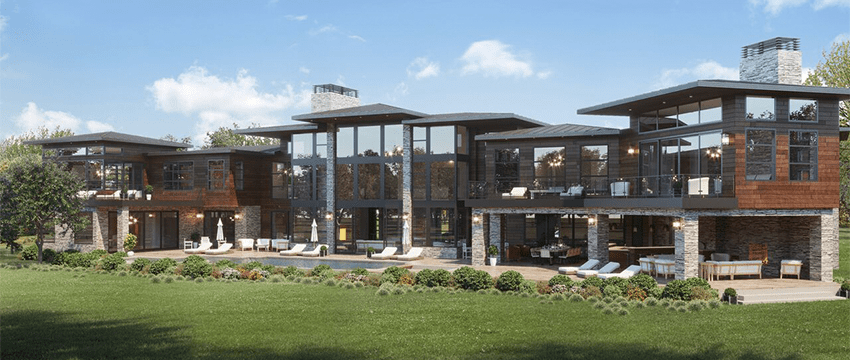
While small residential environments can often maintain stable conditions with routine HVAC systems, commercial interiors require more integrated solutions. Boutique hotels, in particular, often open lobbies, restaurants, guest wings, and event spaces all with different environmental needs. Showrooms face similar challenges with expansive, open footprints.
Here are the most effective whole building strategies for protecting Carlisle hardwood flooring:
1. Integrated Humidification and Dehumidification Systems
Rather than relying on standalone units, luxury properties benefit from centralized systems that manage air throughout the entire building. Benefits include:
- consistent moisture levels across thousands of square feet
- fewer localized problem zones
- reduced strain on HVAC components
- improved guest comfort alongside floor protection
These systems allow property managers to “set and forget” humidity targets while maintaining real-time visibility into performance.
2. Air Lock Vestibules & Smart Entry Design
Every time an exterior door opens, humidity, outdoor moisture, and temperature fluctuations rush into the space. Air lock vestibules common in luxury hotels and high-end retail dramatically reduce these swings by:
- creating a protective buffer
- minimizing direct humidity intrusion
- reducing cold or hot air blasts
- keeping flooring near entrances more stable
For spaces without vestibules, automatic door closers or revolving door installations also help stabilize conditions.
3. High Efficiency HVAC Design
A high-end commercial HVAC system does more than deliver heating or cooling. It strategically regulates humidity. Efficiency focused systems work with large volumes of air and allow designers to:
- control micro zones across multi use spaces
- manage guest traffic patterns
- maintain stable temperature gradients
- support humidity control even during extreme weather
For new builds or major renovations, consulting the HVAC engineer early in the design phase will ensure floor performance is considered at every step.
4. Smart Sensors and Environmental Monitoring
Technology plays an increasingly important role in hardwood floor care for showrooms and hotels. Facility teams can use sensors to track:
- humidity
- temperature
- moisture near entrances
- high traffic zones
- areas near kitchens or event spaces
These systems allow property managers to take corrective action long before issues occur, protecting both the floor and the brand experience.
Practical Maintenance Guidance for Luxury Commercial Interiors
Even with excellent environmental systems in place, proactive maintenance remains essential. Carlisle recommends combining mechanical controls with ongoing care practices to ensure long term wood floor preservation.
Quarterly Humidity Reviews
Facility teams should assess RH logs at least four times per year to identify trends. This ensures the building remains within its target range as seasons change.
Peak Season Adjustments
During summer and winter, adjust:
- HVAC timing
- humidifier output
- dehumidification schedules
- air handling distribution
Proactive adjustments prevent stress conditions before they appear on the floor.
Durable Finish Systems
Spaces like lobbies, corridors, or commercial showrooms benefit from high end finish systems designed to withstand heavy use. The right finish enhances durability, reduces micro scratching, and strengthens overall preservation.
Routine Cleaning & Floor Protection
Luxury commercial properties should:
- use entrance mats to reduce moisture and grit
- clean floors frequently with approved products
- place protective pads under furniture
- inspect areas that transition to tile or exterior spaces
Together, these steps extend the lifespan of Carlisle’s premium wide plank floors and sustain the luxury experience guests expect.
The Luxury Standard: Protecting Your Investment
Managing humidity in commercial spaces is not merely a technical task, it’s part of delivering a luxury brand experience. When guests enter a boutique hotel, when a client steps into a curated showroom, or when a gallery presents fine art, the environment must feel intentional, harmonious, and meticulously maintained.
Carlisle commercial hardwood flooring represents craftsmanship, heritage, and beauty. By implementing a smart humidity management strategy and maintaining consistent environmental conditions, facility managers and designers ensure that these floors continue to embody excellence.
This is what long term wood floor preservation looks like at the luxury level and why humidity management should be foundational to every boutique hotel, gallery, and showroom across the United States.